Dental Assistant Program: Everything You Need to Know Before Choosing One in 2026
Choosing a dental assistant program is one of the most important career decisions you’ll make — and also one of the most confusing. There are community colleges, trade schools, online platforms, hybrid programs, and weekend programs all competing for your attention. Some are rigorous. Some are overpriced. Some won’t actually prepare you for a real job.
The good news? Once you know what to look for, the decision gets a lot simpler. Here’s a comprehensive guide to help you evaluate your options, avoid common mistakes, and find a program that’s worth your time and money in 2026.
What every good dental assistant program should teach you
Regardless of length, format, or price, a strong dental assistant program prepares you for the full scope of work — both clinical and administrative. If a program only covers one side, you’ll have gaps when you get to the job.
Clinical skills (the hands-on work)
These are the skills you’ll use every day in a dental office:
- Chairside assisting — anticipating the dentist’s needs, passing instruments, managing suction, retracting tissue, and keeping the treatment area organized during procedures
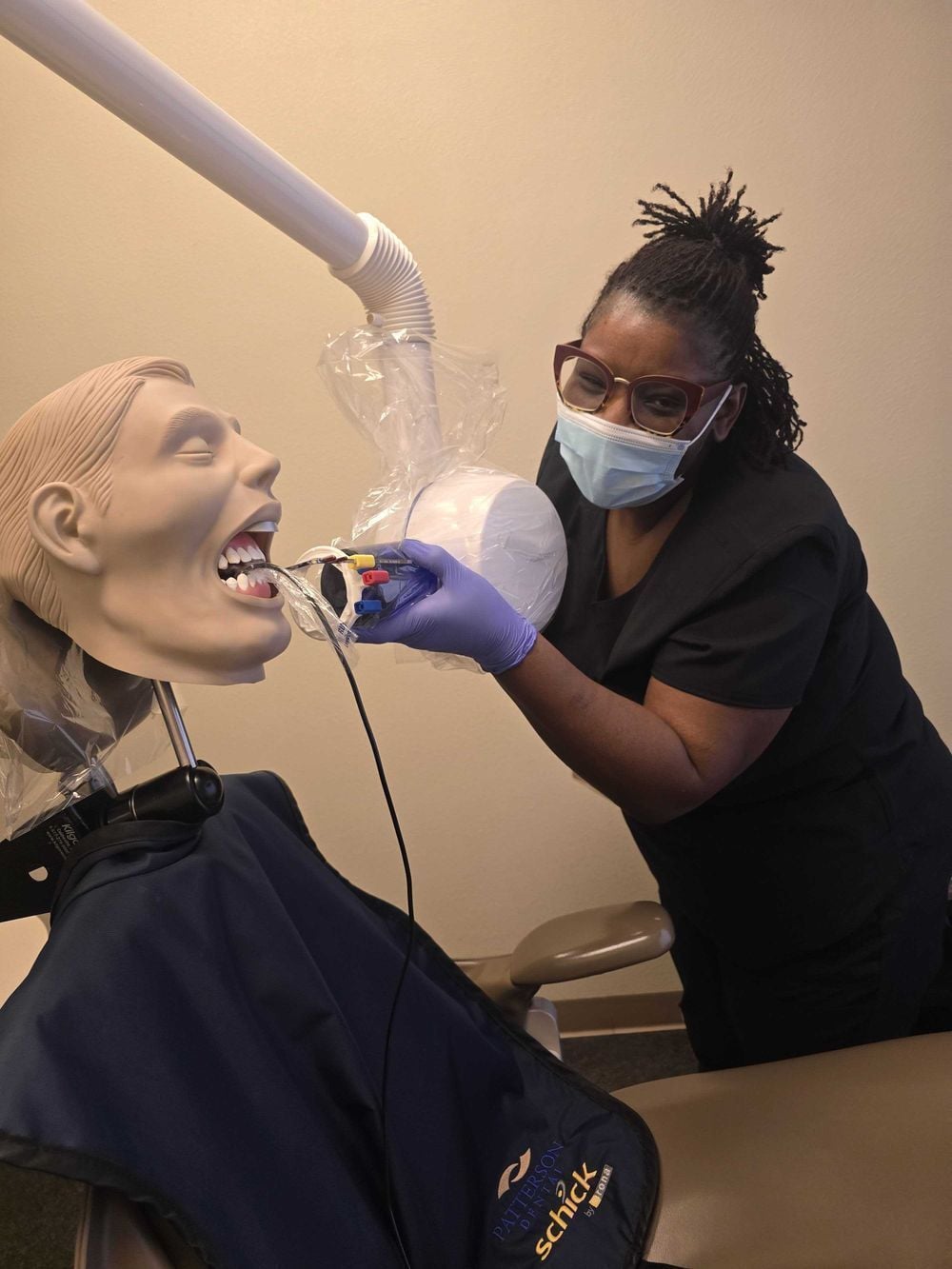
- Dental radiography (X-rays) — positioning the sensor, setting exposure parameters, following radiation safety protocols, and evaluating image quality
- Infection control and sterilization — autoclaving instruments, disinfecting operatories between patients, proper PPE use, OSHA compliance, and sharps management
- Dental materials — mixing impression material, preparing cements, handling composites, and fabricating temporary crowns
- Impressions and models — taking accurate alginate impressions and pouring study models
- Patient preparation and comfort — seating and positioning patients, reviewing medical histories, explaining upcoming procedures, and managing anxiety
Administrative skills (the office work)
Most dental assistants — especially in smaller practices — handle front-office tasks too:
- Scheduling appointments and managing the daily calendar
- Checking patients in and collecting intake forms
- Updating dental records and charting
- Verifying insurance coverage and processing claims
- Answering phones and coordinating referrals
- Maintaining HIPAA compliance in all communications
Professional skills (the things that get you hired and promoted)
The programs that produce the best outcomes also develop:
- Patient communication — explaining procedures in plain language, calming nervous patients, and giving clear aftercare instructions
- Time management — dental offices move fast, and efficiency matters
- Teamwork — you’re working alongside dentists, hygienists, and other staff all day
- Professionalism — showing up on time, dressing appropriately, and maintaining composure under pressure
How to compare dental assistant programs: 8 questions to ask
When you’re looking at multiple programs, use these questions to separate the strong ones from the weak ones:
- Does the program include supervised, hands-on clinical practice? If all the training happens on a screen, you won’t be ready. Ask where the practice happens — a campus lab is good, but a real dental office is even better.
- How long is the program? Months of focused training can be more effective than semesters of coursework padded with general education.
- What’s the total cost? Get the all-in number: tuition + materials + lab fees + exam fees + anything else. No surprises.
- Are payment plans available? Can you pay weekly or monthly without needing student loans?
- Does the program prepare you for a recognized exam? The RDA (Registered Dental Assistant) credential matters to employers. Make sure exam prep is included.
- Is the schedule realistic for your life? If you’re working or have family responsibilities, a program that requires full-time weekday attendance might not work.
- Do you need prerequisites? Some programs require college-level science courses before you can even apply. Others welcome complete beginners.
- What career support do you get after graduation? Resume help, interview prep, and job placement assistance should be part of the package.
The three main types of dental assistant programs
Certificate / accelerated programs
- Length: Weeks to a few months
- Cost: Typically $2,000–$5,000
- Strengths: Fast, affordable, focused on job-essential skills
- Ideal for: Career changers, working adults, people who want to start earning quickly
- Example: Arch’s 10-week program
Diploma programs
- Length: 6–12 months
- Cost: $5,000–$15,000
- Strengths: More comprehensive curriculum, often includes externships
- Ideal for: Students who want extended training and aren’t in a hurry
Associate’s degree programs
- Length: 1–2 years
- Cost: $8,000–$25,000+
- Strengths: Includes general education courses; results in an academic degree
- Ideal for: Students who want a degree credential
- Tradeoff: Longer, more expensive, and the extra courses don’t always translate to higher pay or better job prospects
What makes Arch’s dental assistant program different
Arch was built from the ground up to solve the problems that make most programs either too long, too expensive, or not practical enough.
Training in real dental offices
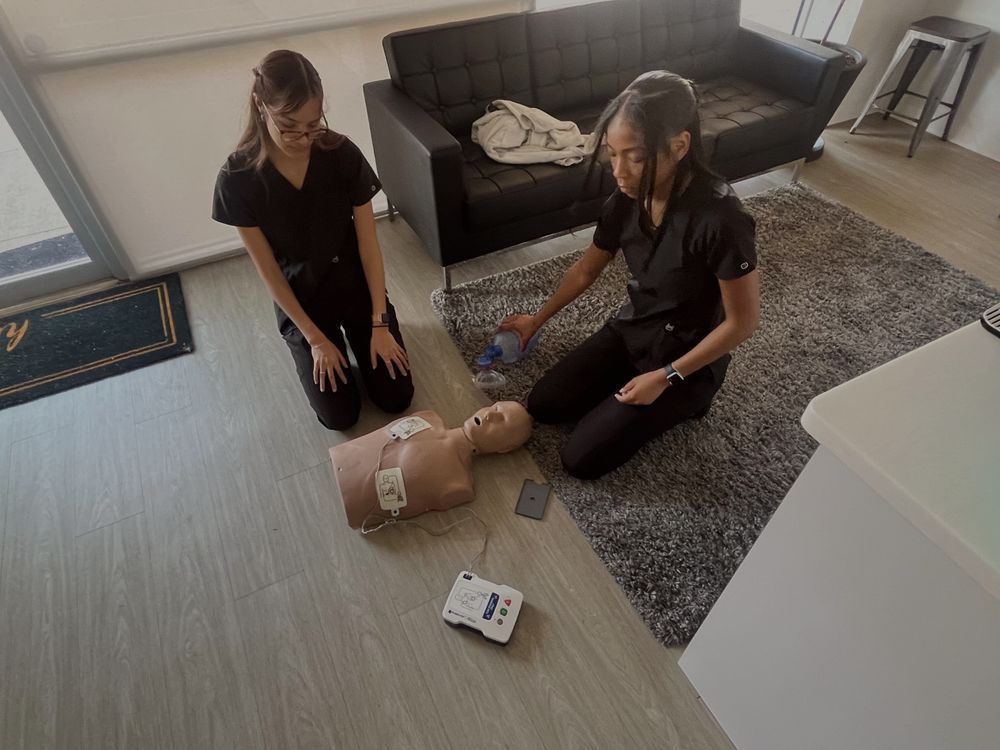
Most programs train you in a classroom lab with mannequins and simulated scenarios. Arch partners with dentists across the country so your hands-on training happens inside actual working dental practices. You practice with real equipment, real instruments, and real clinical workflows — and the dentists who supervise your training see your work ethic firsthand.
10 weeks of focused, efficient training
No general education filler. No unnecessary prerequisites. Every hour of Arch’s program is directly connected to what you’ll do in a dental office. The result: you’re job-ready in 10 weeks, not 10 months.
$2,950 — and you graduate debt-free
Arch was designed to be affordable by eliminating the overhead that inflates costs at traditional schools. At $2,950 with flexible payment plans, there’s no need for student loans or financial aid. You start your career with skills and a credential, not a pile of debt.
Online-first with live instruction
Weekly sessions are live and instructor-led on Saturdays — not pre-recorded lectures you watch alone. You interact with your instructor and classmates in real time, and your weekdays stay free for work, family, or whatever else your life requires.
4 intensive lab days
Hands-on clinical practice is concentrated into 4 lab days (9 hours each) across 2 weekends — weeks 4 and 8. These aren’t casual observation sessions. You’re sterilizing instruments, taking X-rays, assisting chairside, and building real confidence under instructor supervision.
Take-home lab kits
Between lab weekends, you receive practice kits with dental instruments so you can keep building skills at home. Repetition builds muscle memory, and muscle memory builds confidence.
RDA exam preparation
Arch prepares you for the Registered Dental Assistant (RDA) exam throughout the program — not as an afterthought in the last week. By graduation, you’re ready to sit for the exam and earn a credential that employers recognize and value.
No prerequisites, no experience needed
You don’t need college credits, science courses, or any prior healthcare background. Arch is designed for beginners — career changers, recent graduates, anyone looking for a new direction.
Red flags to watch for in any program
Not every dental assistant program is worth your investment. Watch out for:
- No hands-on component — if everything is online, you won’t be prepared for clinical work
- Hidden fees — low advertised tuition that grows once you add materials, lab access, exams, and uniforms
- No credential preparation — if the program doesn’t prepare you for the RDA or another recognized exam, your training may not carry weight with employers
- Pressure to enroll immediately — a reputable program gives you time to ask questions and make an informed decision
- Can’t explain what you’ll learn — if admissions staff can’t clearly describe the curriculum and outcomes, keep looking
Ready to find the right program?
The right dental assistant program should be affordable, practical, and efficient — with real hands-on training, a clear path to certification, and support that extends beyond graduation day.
- See what Arch’s program includes: Program details
- Review tuition and payment options: Tuition
- Talk to someone on our team: Contact
- Apply when you’re ready: How to apply
You're only a few months from the medical assistant career you deserve.