Dental Assistant Program Online: What Arch's Hybrid Model Looks Like Week by Week

You want a dental assistant program online because you need flexibility — maybe you’re working, raising kids, or both. The idea of commuting to a campus five days a week for months just doesn’t fit your life. That’s completely understandable, and it’s exactly why more people are searching for online options.
But here’s the part that matters: dental assisting is a hands-on career. You can learn terminology, anatomy, and office procedures online — but you can’t learn to take X-rays, sterilize instruments, or assist during a filling from your couch. The programs that pretend otherwise are setting you up to fail.
Arch takes a different approach. It’s online-first — meaning most of your learning happens remotely — but it includes real, supervised clinical practice in actual dental offices. Here’s how the 10-week program actually works, week by week.
The format: online where it makes sense, in-person where it matters
Online learning (most of the program)
Arch’s online component is live and instructor-led — not a library of pre-recorded videos you watch alone at 2 a.m.
- Saturday sessions — live, interactive classes where you learn alongside your cohort and engage with your instructor in real time
- Weekday coursework — reading, assignments, and study materials you complete on your own schedule
- Structured curriculum — every week builds on the previous one, so you’re always moving forward
This format keeps your weekdays open. If you’re working Monday through Friday, you can still complete the program without quitting your job.
In-person labs (4 days total)
This is what separates Arch from fully online programs — and it’s what makes you employable.
- 4 lab days total, spread across 2 weekends (weeks 4 and 8)
- 9 hours per day — these are intensive, focused clinical sessions
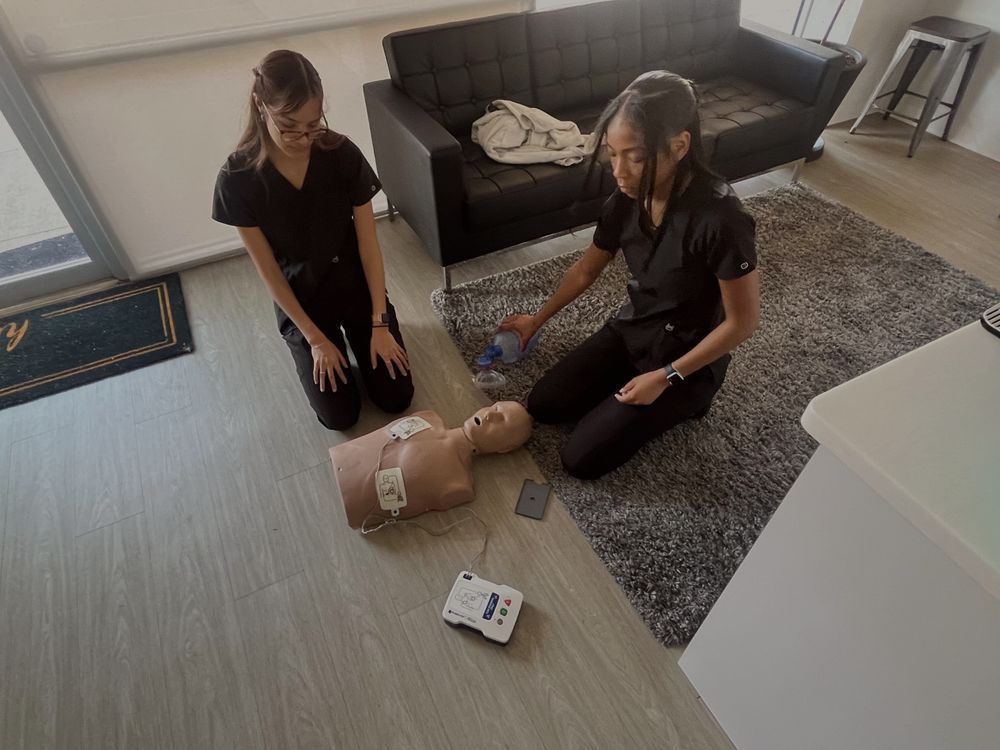
- Training in real dental offices — not a classroom lab with mannequins. You train inside actual working dental practices through Arch’s partnerships with local dentists
- Instructor supervision — you get real-time feedback on your technique, corrections when needed, and confirmation when you’re doing it right
Take-home lab kits
Between lab weekends, you receive a kit with dental instruments and practice materials. This lets you build muscle memory at home — practicing instrument handling, impression techniques, and sterilization procedures on your own time.
What the 10 weeks look like
Weeks 1–3: Foundation building
The first three weeks lay the groundwork for everything that follows:
- Dental terminology — the language of the profession. You can’t work efficiently if you don’t understand the vocabulary
- Dental anatomy — tooth numbering systems, surfaces, anatomy of the oral cavity, and how it all relates to clinical procedures
- Infection control fundamentals — sterilization theory, OSHA bloodborne pathogen standards, PPE protocols, instrument processing
- Patient communication — how to greet patients, explain procedures, manage anxiety, and maintain professionalism
- Introduction to radiography — X-ray theory, safety protocols, and positioning concepts before you practice the real thing
This is all delivered online through live Saturday sessions and weekday assignments. By the end of week 3, you have the knowledge foundation needed for your first hands-on lab.
Week 4: First lab weekend
This is where the program shifts from knowing to doing.
Over 2 days (Saturday and Sunday, 9 hours each), you practice:
- Dental X-ray technique — proper sensor placement, exposure settings, patient positioning, and radiation safety
- Instrument identification and handling — learning to recognize, pass, and manage the instruments used in common procedures
- Sterilization procedures — proper instrument processing, autoclave operation, and operatory turnover
- Chairside assisting basics — positioning, suction technique, and four-handed dentistry fundamentals
All of this happens inside a real dental office — not a campus simulation lab. You’re working with actual equipment in an actual clinical environment.
Weeks 5–7: Expanding your skills
With your first lab experience under your belt, the online sessions go deeper:
- Dental materials — impression materials (alginate, PVS), cements, liners, composites, and temporary restorations. You learn mixing ratios, timing, and proper handling
- Advanced chairside assisting — assisting during restorations, extractions, crown preparations, and other procedures
- Dental charting — understanding and documenting treatment in the patient record
- Administrative skills — scheduling, insurance verification, billing basics, patient intake workflows
- Take-home kit practice — you’re using your lab kit at home to reinforce what you’ve learned and prepare for your second lab weekend
Week 8: Second lab weekend
The second lab weekend builds on everything from the first. Over 2 more days (9 hours each), you practice:
- Advanced X-ray techniques — panoramic imaging, bitewings, periapicals, and troubleshooting common errors
- Impression taking — full-arch alginate impressions and pouring models
- More complex chairside scenarios — assisting during multiple procedure types with smoother instrument exchanges and better anticipation
- Infection control mastery — by now, sterilization protocols should feel automatic
This is the session where most students feel their confidence really click. You’ve been studying for weeks, practicing at home, and now the skills are becoming second nature.
Weeks 9–10: Review, certification prep, and career readiness
The final two weeks bring everything together:
- Comprehensive review — revisiting all clinical and administrative content with a focus on areas where you want more practice
- RDA exam preparation — targeted study for the Registered Dental Assistant exam, including practice questions and content review
- Career readiness — resume building, interview preparation, and job search strategies
- Confidence building — by this point, you’ve learned every core skill, practiced them in a real dental office, and reinforced them with your take-home kit
Why this beats fully online programs
A fully online dental assistant program online might sound easier — but it leaves you without the clinical skills employers need. Here’s the difference:
| Arch (Online-Hybrid) | Fully Online | |
|---|---|---|
| Online learning | Live, instructor-led Saturday sessions | Often self-paced or pre-recorded |
| Clinical practice | 4 lab days in real dental offices | None |
| Employer confidence | High — verified hands-on experience | Low — no clinical skills demonstrated |
| Take-home practice | Lab kits included | Usually not offered |
| Exam prep | RDA preparation integrated | Often not included |
| Cost | $2,950 all-in | $3,000–$8,000+ (exam fees often extra) |
Who this program is designed for
Arch’s dental assistant program online model works best for:
- Working adults who can’t quit their job to attend school full-time
- Parents and caregivers who need a schedule that doesn’t consume every weekday
- Career changers who want to enter healthcare without years of school or mountains of debt
- Self-motivated learners who thrive with structure but appreciate flexibility
- Complete beginners — no healthcare experience or college credits required
Start your program today
You don’t have to choose between flexibility and quality. Arch gives you both — online convenience for the knowledge, in-person training for the skills, and a $2,950 price tag that lets you graduate debt-free.
- See the full program: Program details
- Review tuition and payment plans: Tuition
- Talk to our team: Contact
- Apply: How to apply
You're only a few months from the medical assistant career you deserve.