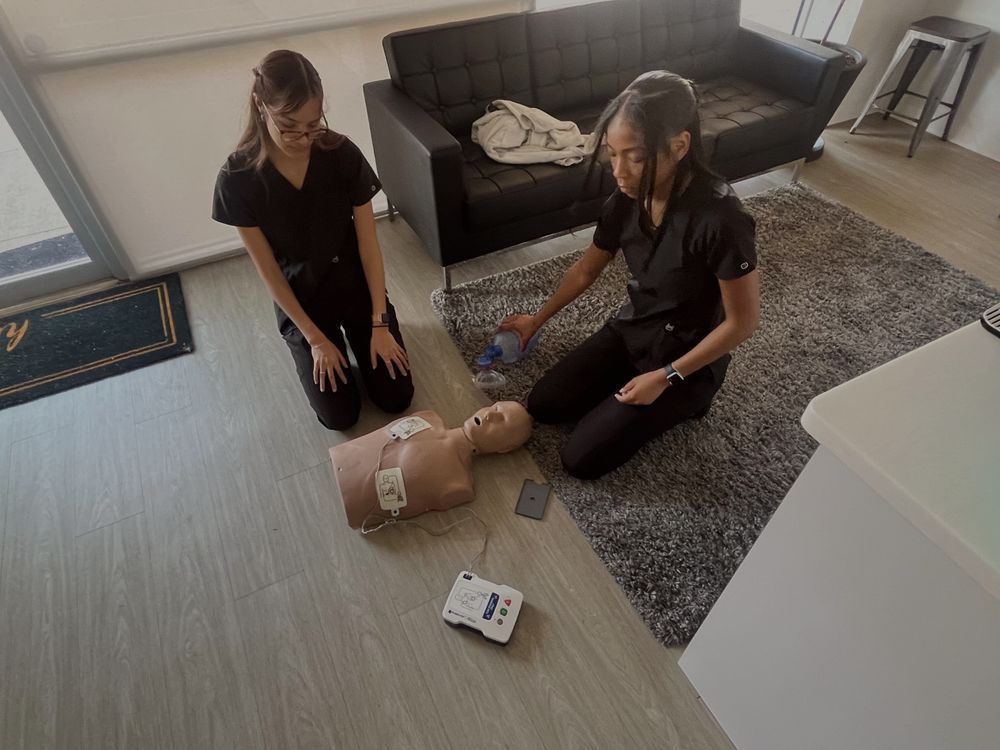
Dental Assistant School Near Me: What Matters Most When Choosing Where to Train
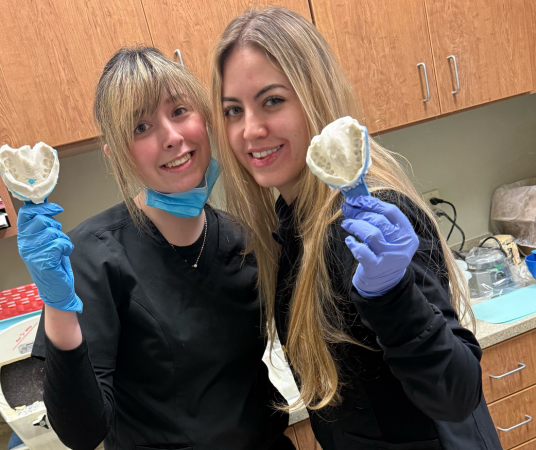
Picking a dental assistant school isn’t just about finding the one closest to your house — it’s about whether the program will actually prepare you for a real job in a real dental office. Some schools deliver on that promise. Others charge you tuition, hand you a certificate, and leave you figuring out the rest on your own.
If you’re comparing options, here’s what to pay attention to, what to ask, and what separates a program worth your time from one that isn’t.
The 6 things that matter most in a dental assistant school
1. Training in real dental offices
This is the single biggest differentiator. Some programs teach you in a classroom with mannequins. Others put you in an actual dental practice — working with real equipment, real workflows, and real patients under supervision. Arch partners with local dentists nationwide so your hands-on training happens in working dental offices, not a campus simulation.
2. Program length that respects your time
A quality program doesn’t need a year or more. Arch covers all essential clinical and administrative skills in 10 weeks — no general education filler, no unnecessary prerequisites, no wasted time.
3. Certification preparation
The Registered Dental Assistant (RDA) credential gives you a competitive advantage. The best programs integrate exam prep throughout the curriculum. Arch also includes X-ray certification preparation.
4. Transparent, affordable pricing
Know the total cost upfront — tuition, materials, exam prep, everything. Arch’s tuition is $2,950 with flexible weekly payment plans. No financial aid needed by design. Graduate debt-free.
5. Flexible scheduling
If you’re working or have family responsibilities, a program that requires weekday campus attendance may not be realistic. Arch’s online-first model keeps your weekdays free — live Saturday sessions online, with in-person labs condensed into 4 days across 2 weekends.
6. Career support after graduation
Resume help, interview preparation, and job search guidance should be included — not treated as extras.
Red flags to watch for
Not every dental assistant school is worth your investment:
- No hands-on clinical component — if everything is online or classroom-only, you won’t be ready for the job
- Hidden fees — if the total cost keeps changing, the program wasn’t transparent
- No certification pathway — without RDA prep, your training may not carry weight
- Pressure to enroll immediately — reputable programs let you make informed decisions
- Can’t explain what you’ll learn — vague curriculum descriptions are a red flag
What training in real dental offices looks like
This detail matters more than most people realize. When your hands-on training happens inside an actual dental practice:
- You work with the same instruments, materials, and technology you’ll use after graduation
- You learn how a real dental office operates — patient flow, team dynamics, clinical workflows
- You build confidence in an authentic environment, not a simulated one
- The dentists supervising your training become professional contacts who may offer references or job leads
- The transition from student to employee is seamless because you’ve already been in that environment
Arch’s partnerships with dentists across the country make this possible — regardless of where you’re located.
How to compare dental assistant schools: a checklist
When you’re looking at multiple options, this comparison framework helps cut through the marketing:
Training environment
- Best: Real dental offices with supervised clinical practice
- Acceptable: Campus lab with professional-grade equipment
- Red flag: No hands-on component at all, or student arranges their own externship
Program length and structure
- Accelerated (8–12 weeks): Focused, efficient, no filler courses. Best for career changers and working adults
- Diploma (6–12 months): More time, but not necessarily more relevant content
- Associate’s degree (1–2 years): Includes general education courses that don’t make you a better dental assistant but add time and cost
Total cost
Get the all-in number — tuition, materials, lab fees, exam prep, uniforms, and any hidden charges. Arch’s $2,950 covers everything, and weekly payment plans mean you can budget easily without loans.
Certification pathway
The RDA credential gives you a measurable advantage with employers and a documented pay increase. If a program doesn’t prepare you for it, your investment doesn’t go as far.
Schedule compatibility
Can you realistically attend while working or managing other responsibilities? Arch’s online-first model — live Saturday sessions with just 4 in-person lab days — is built for people who can’t put their lives on hold.
Career outcomes
- Does the program track graduate employment rates?
- Do they provide job search support?
- Are there connections to employers through the training itself?
What dental assistants earn
If you’re evaluating a dental assistant school, the career’s earning potential is part of the equation:
- Entry-level: approximately $33,000–$40,000/year ($16–$19/hour)
- National median: approximately $46,000–$48,000/year (BLS, 2026)
- Experienced / specialty: $52,000–$60,000+/year
- RDA-certified assistants earn an average of $2,000–$6,000+ more per year than non-certified counterparts
For a career that requires 10 weeks of training and under $3,000 in tuition, the return on investment is strong.
Arch’s nationwide training model
Arch Dental Assistant School partners with local dentists across the country. That means no matter where you are, there’s likely a training location near you. But more importantly, it means your training happens inside the kind of dental office where you’ll eventually work.
You’re not commuting to a campus and then later adjusting to a clinical environment you’ve never seen. You’re learning in the environment from day one.
Why “near me” matters more than you think
Training locally isn’t just about convenience — it has real career benefits:
Networking in your local market
The dentists who supervise your training work in the same area where you’ll be job-hunting. Those relationships can lead directly to interviews, referrals, or job offers. Starting your career with local connections is a genuine advantage.
Understanding your market
Different areas have different dental practice landscapes — DSOs vs. private practices, specialty concentrations, patient demographics. Training locally gives you insight into the market you’ll be working in.
Reduced costs and disruption
Online-first training means you don’t need to relocate or add a long commute to your schedule. In-person labs are only 4 days total — concentrated into 2 weekends. You train where you live and start working where you trained.
What Arch’s 10-week program covers
Even though you’re searching for a dental assistant school near me, what the school teaches matters more than proximity. Here’s what Arch covers:
- Chairside assisting and four-handed dentistry — the core of every dental assistant’s day
- Dental radiography (X-rays) — technique, safety, image quality, and troubleshooting
- Infection control and sterilization — OSHA compliance, instrument processing, PPE protocols
- Dental materials — impressions, cements, composites, temporaries
- Patient communication — calming nervous patients, explaining procedures, aftercare instructions
- Administrative skills — scheduling, charting, insurance verification, intake workflows
- RDA and X-ray certification preparation — integrated throughout the program
What to expect on your first day
Starting a dental assistant school can feel intimidating — especially if healthcare is new to you. Here’s what makes Arch’s first day manageable:
- You join a live online Saturday session with your cohort and instructor — from home
- The first lessons cover dental terminology and foundational concepts, not advanced clinical skills
- Your instructor walks through the program timeline so you know exactly what’s coming
- You meet other students who are in the same position — beginners looking for a career change
- No one expects you to know anything. The entire program is designed to take you from zero to job-ready
By the end of the first week, the unfamiliarity starts to fade, and the path forward becomes clear.
Questions to ask before you enroll
- Where does hands-on training take place — classroom labs or actual dental offices?
- How long is the program, and how are hours structured?
- What is the total cost, including all fees and materials?
- Are payment plans available? Do I need student loans?
- Does the program prepare me for RDA certification?
- What career support do you offer after graduation?
- Can I work while enrolled?
- Do I need any prerequisites or prior experience?
Take the next step
- Explore the program: Program details
- Review tuition and payment plans: Tuition
- Talk to our team: Contact
- Apply: How to apply
You're only a few months from the medical assistant career you deserve.