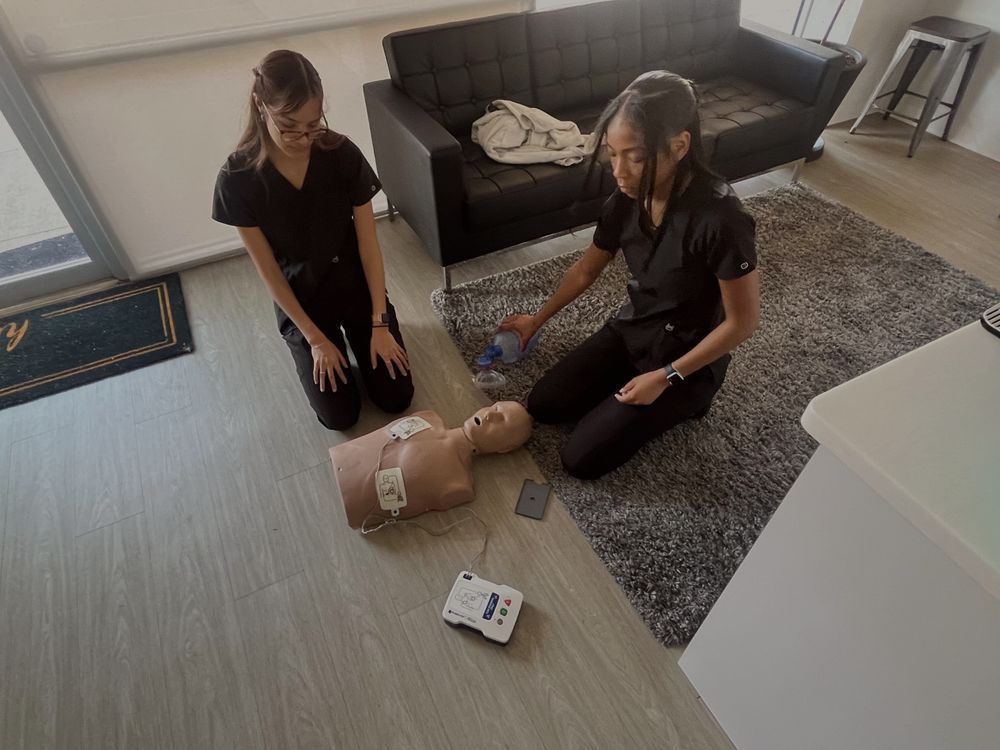
Dental Assistants Recognition Week 2026: Why This Career Deserves the Spotlight

Every March, dental practices across the country pause to recognize the people who hold everything together — the dental assistants. Dental Assistants Recognition Week 2026 runs March 1–7, and it’s an opportunity to shine a light on a role that patients rely on and dentists can’t function without.
If you’ve ever sat in a dental chair and felt like the appointment went smoothly — the room was set up perfectly, someone calmly talked you through the procedure, and everything ran on time — a dental assistant made that happen. Here’s what the week is about, what dental assistants actually do, and why this career might be exactly what you’ve been looking for.
What is Dental Assistants Recognition Week?
Dental Assistants Recognition Week has been observed annually since 1975, sponsored by the American Dental Assistants Association (ADAA). It falls during the first full week of March — in 2026, that’s March 1 through March 7.
The week exists to:
- Recognize the essential contributions dental assistants make in every dental practice
- Raise awareness of the profession and its growing importance
- Celebrate the skills, dedication, and daily impact of dental assistants nationwide
- Inspire people considering the career to take the first step
Dental offices mark the occasion with team celebrations, social media recognition, patient appreciation events, and community outreach. Some state dental associations organize awards and special recognition programs.
What dental assistants actually do every day
Dental assistants don’t just hand instruments to the dentist — they’re the operational backbone of every dental practice. Their work spans clinical procedures, patient care, and office management, often in the same hour.
Clinical responsibilities
This is the hands-on, chairside work that keeps procedures running:
- Chairside assisting — passing instruments, operating suction, retracting tissue, mixing materials, and maintaining a sterile field during procedures
- Dental radiography — taking X-rays (bitewings, periapicals, panoramics) with proper positioning and radiation safety
- Infection control — sterilizing instruments, disinfecting operatories between patients, managing sharps and biomedical waste
- Dental materials — mixing impressions, preparing composites and cements, fabricating temporary restorations
- Patient preparation — seating patients, reviewing medical histories, explaining procedures, and managing comfort
Patient-facing responsibilities
Dental assistants set the tone for the entire patient experience:
- Greeting patients and putting them at ease — especially those with dental anxiety
- Explaining procedures in plain, reassuring language
- Calming nervous patients, particularly children and first-time visitors
- Providing clear aftercare instructions
- Being the approachable, human connection in what can feel like a clinical environment
Administrative contributions
In many offices, dental assistants also handle front-office responsibilities:
- Scheduling and confirming appointments
- Updating patient records and charting
- Verifying insurance coverage
- Managing supply orders and inventory
- Maintaining HIPAA compliance across all communications
This combination of clinical skill, patient care, and organizational ability is what makes dental assistants indispensable.
A realistic day in the life
7:30 AM — Arrive at the office. Review the day’s schedule, prepare operatories, check instrument trays, verify X-ray equipment.
8:00 AM — First patient: routine exam and cleaning. Take updated medical history, seat the patient, capture any needed X-rays.
9:30 AM — Crown preparation. Forty-five minutes of chairside assisting — instrument passing, suction management, impression mixing, temporary crown fabrication.
11:00 AM — Between patients: sterilize instruments, restock operatories, update records in the EHR system.
12:00 PM — Lunch.
1:00 PM — Afternoon: a filling, a pediatric exam (calming a nervous 7-year-old), and an emergency walk-in. Every appointment is different.
4:30 PM — Final sterilization, operatory breakdown, prep for tomorrow.
No two days are the same — and that variety is what most dental assistants say they love about the work.
Why dental assisting is a career worth considering
If Dental Assistants Recognition Week has you thinking about whether this career could work for you, here are the highlights:
Fast training, real outcomes
You don’t need a four-year degree or even a two-year program. Arch Dental Assistant School’s 10-week accelerated program gets you trained, confident, and job-ready in less time than most people spend deciding what to major in.
Strong and growing demand
The Bureau of Labor Statistics projects dental assistant employment to grow faster than average through the next decade. Dental offices nationwide are actively hiring — and trained, credentialed assistants are who they’re looking for.
Competitive salary
The national median salary for dental assistants is approximately $46,000–$48,000/year (BLS, 2026). Experienced assistants in specialty practices can earn $52,000–$60,000+. For a career that requires 10 weeks of training, the earning potential is excellent.
Meaningful, people-centered work
Every day, you’re helping someone take care of their health. You’re calming a nervous patient, assisting during a procedure that relieves pain, and making a clinical environment feel human. The work is tangible and personal.
Career growth
Dental assisting isn’t a dead end. With experience, you can advance into lead assistant roles, specialize in orthodontics or oral surgery, move into office management, or use it as a foundation for other dental careers.
Accessible entry — no barriers
No college degree, no science prerequisites, no prior healthcare experience. Arch’s program accepts beginners and is designed for career changers.
Graduate debt-free
Arch’s tuition is $2,950 — with flexible weekly payment plans and no financial aid needed by design. You start your career with skills, not debt.
What dental assistants say about the job
Ask most dental assistants why they stay in the field, and you’ll hear the same themes:
- “Every day is different.” The mix of clinical procedures, patient interactions, and office tasks keeps the work engaging. Routine exists, but boredom doesn’t.
- “I make a real difference.” Calming a patient with dental phobia, helping someone understand their treatment plan, or assisting during a procedure that relieves pain — the impact is tangible.
- “I got into healthcare fast.” Many dental assistants came from retail, food service, or administrative work. They wanted a meaningful career change without going back to school for years.
- “The schedule works for my life.” Dental offices typically run business hours. No overnight shifts, no rotating weekends, no holiday rushes.
These are the kinds of insights that Dental Assistants Recognition Week is designed to highlight — and why the career continues to attract people looking for something better.
The numbers behind the career
If recognition week has you thinking seriously, here’s what the data says:
Salary
- Entry-level: approximately $33,000–$40,000/year
- National median: approximately $46,000–$48,000/year (BLS, 2026)
- Experienced / specialty practices: $52,000–$60,000+/year
- RDA-certified DAs earn approximately $2,000–$6,000+ more per year than non-certified assistants (Indeed, Glassdoor)
Job market
The BLS projects dental assistant employment to grow faster than average through 2032 — driven by population growth and expanded access to dental care. Dental offices across the country are actively hiring, and trained, credentialed assistants are what they’re looking for.
ROI of Arch’s program
At $2,950 for 10 weeks of training, the return on investment is one of the strongest in healthcare education. You can start earning a full-time salary approximately 3–4 months after enrollment — with zero debt.
How to celebrate Dental Assistants Recognition Week
If you work with dental assistants:
- Thank them — specifically and genuinely
- Share their contributions on social media with #DentalAssistantsRecognitionWeek
- Organize a team lunch or small recognition event
- Feature your dental assistants on the practice’s website or social channels
If you’re considering the career:
- Research training programs and compare your options
- Talk to a dental assistant about their experience
- Shadow a dental office if you can — seeing the work firsthand is the best way to know
- Take the first step — enrollment at Arch is fast and straightforward
Ready to join the profession?
Dental Assistants Recognition Week celebrates the people who make dental care possible. Arch gets you trained and ready in just 10 weeks — with online-first flexibility, hands-on training in real dental offices, and a total cost under $3,000.
- Explore the program: Program details
- Review tuition and payment plans: Tuition
- Talk to our team: Contact
- Apply: How to apply
You're only a few months from the medical assistant career you deserve.