Entry Level Dental Assistant Jobs: How to Land Your First Position With No Experience

If you’ve been scrolling through job listings and wondering whether entry level dental assistant jobs are realistic without years of experience — they absolutely are. Dental assisting is one of the few healthcare careers where you can go from zero experience to employed in a matter of months, and the demand for trained assistants isn’t slowing down anytime soon.
But “entry level” doesn’t mean “easy to get without preparation.” The candidates who get hired quickly are the ones who show up trained, confident, and ready to contribute from their first day. Here’s everything you need to know about finding and landing your first dental assistant position — even if you’ve never worked in healthcare before.
What entry level dental assistant jobs actually look like
When dental offices post entry level dental assistant jobs, they’re looking for someone who can handle the day-to-day responsibilities of the role with minimal hand-holding. That doesn’t mean they expect perfection — it means they want someone who’s been trained on the basics and can learn the rest on the job.
Typical responsibilities in an entry-level role
Clinical duties:
- Setting up and breaking down treatment rooms between patients
- Sterilizing instruments and maintaining infection control standards
- Taking dental X-rays (radiographs) and processing them for the dentist
- Assisting chairside during exams, cleanings, fillings, extractions, and other procedures
- Handing instruments, managing suction, and keeping the field clear
- Taking impressions and pouring dental models
Administrative duties:
- Greeting and checking in patients
- Updating patient records and dental charts
- Scheduling appointments and managing patient flow
- Answering phones and handling basic inquiries
- Processing insurance paperwork and verifying coverage
Patient-facing duties:
- Explaining procedures in plain language to nervous patients
- Providing aftercare instructions
- Making patients feel comfortable and welcome
The mix of clinical, administrative, and people skills is what makes dental assisting interesting — no two days look exactly the same.
What employers want from entry-level candidates
Here’s the honest truth: dental offices don’t expect you to be an expert on day one. But they do expect certain things from entry-level candidates:
1. Proof that you’ve been trained
Completing a dental assistant program — especially one that includes hands-on clinical practice — tells employers you know the fundamentals. You’ve practiced taking X-rays. You’ve sterilized instruments. You’ve assisted chairside. That matters.
2. Willingness to learn
Every dental office has its own workflows, preferences, and systems. Employers value candidates who are coachable, ask good questions, and adapt quickly.
3. Professionalism and reliability
This one’s bigger than people realize. Dental offices run on tight schedules — sometimes seeing 20+ patients a day. Showing up on time, staying organized, and maintaining a calm, professional attitude is what separates the candidates who get hired from the ones who don’t.
4. A credential or exam readiness
Having the Registered Dental Assistant (RDA) credential — or being ready to sit for the exam — puts you ahead of candidates who trained informally or on the job. It shows you’ve invested in your career and met a recognized standard.
5. Real clinical exposure
Employers have a strong preference for candidates who’ve practiced in a real dental environment, not just a classroom simulation. If your training included time in an actual working dental office, that’s a significant advantage.
Where to find entry level dental assistant jobs
The job market for dental assistants is strong and growing. According to the Bureau of Labor Statistics (BLS), dental assistant employment is projected to grow steadily through 2032 — faster than the average for all occupations. That means openings are consistent, even in competitive markets.
Here’s where to look:
- Job boards — Indeed, ZipRecruiter, LinkedIn, and Glassdoor all list dental assistant positions daily. Filter by “entry level” or “no experience required”
- Dental office websites — larger practices, DSOs (dental service organizations), and multi-location groups often post openings on their own career pages
- Staffing agencies — some specialize in dental and healthcare placements and can match you with offices looking for new graduates
- Your training network — this is one of the biggest advantages of programs like Arch. When you train inside real dental offices, the dentists and staff see your work ethic firsthand. Many entry-level hires come directly from training connections
- Local dental associations — state and regional dental societies sometimes maintain job boards or host career fairs
How much do entry-level dental assistants earn?
According to Indeed and BLS data (2026), entry-level dental assistant pay typically falls in this range:
- National entry-level range: approximately $33,000–$40,000/year ($16–$19/hour)
- National median (all experience levels): approximately $46,000–$48,000/year
- With experience and credentials: $52,000–$60,000+/year in high-demand areas and specialty practices
The good news? Pay tends to increase relatively quickly in this field. Dental assistants who are reliable, skilled, and credentialed often see meaningful raises within their first 1–2 years.
How Arch prepares you to get hired — in 10 weeks
This is where Arch Dental Assistant School does things differently. The program is designed specifically to make you competitive for entry level dental assistant jobs — even if you’ve never worked in healthcare before.
10-week hybrid program
You don’t need a year of school to start your career. Arch’s program covers all the essential clinical and administrative skills in 10 focused weeks — online-first learning with live Saturday sessions, plus 4 intensive lab days across 2 weekends.
Training in real dental offices
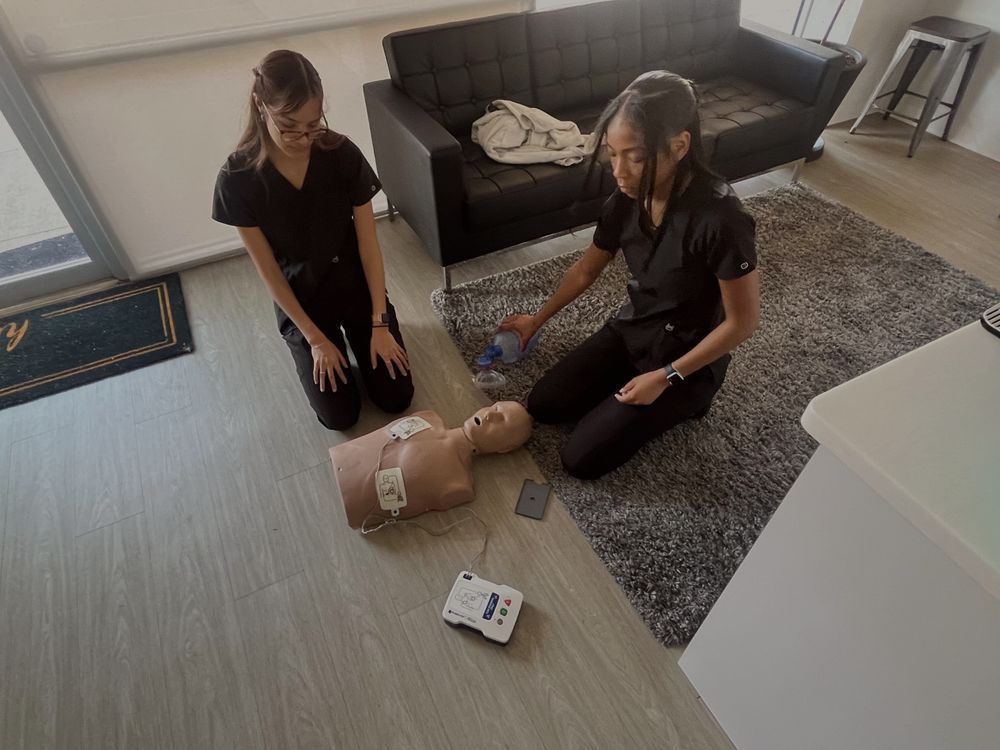
This is the biggest differentiator. Arch partners with local dentists across the country so your hands-on training happens inside actual working dental practices — not a classroom simulation lab. You practice on real equipment in a real clinical environment, and the dentists you train with see your potential firsthand.
RDA exam preparation
Arch prepares you for the Registered Dental Assistant (RDA) exam, giving you a credential that sets you apart from candidates without formal certification.
$2,950 tuition — graduate debt-free
Arch was designed to be affordable on purpose. At $2,950 with flexible payment plans, you can complete your training without taking out loans. No financial aid needed — by design. You start your career with skills, not debt.
Take-home lab kits
Between lab weekends, you receive practice kits with dental instruments and materials so you can build muscle memory at home. By the time you’re in the office, the skills feel natural.
No experience required
You don’t need college credits, science prerequisites, or any prior healthcare background. The program is built for career changers and complete beginners.
Multiple locations nationwide
Arch has training locations across the country, so there’s likely a partner dental office near you — no matter which state you’re in.
Your first job is closer than you think
Here’s the timeline most Arch graduates experience:
| Phase | Time |
|---|---|
| Enrollment | A few days |
| Training | 10 weeks |
| RDA exam prep | Built into training |
| Job search | 2–4 weeks after graduation |
| Total to first paycheck | Approximately 3–4 months |
Compare that to the 1–2 years a community college program takes, and the difference is significant — both in time and in money.
Ready to start your dental assisting career?
You don’t need years of school. You don’t need to go into debt. And you definitely don’t need prior experience. What you need is the right training — and Arch is designed to be exactly that.
- See what you’ll learn: Program details
- Review tuition and payment plans: Tuition
- Talk to a real person: Contact
- Apply when you’re ready: How to apply
You're only a few months from the medical assistant career you deserve.