How to Become a Dental Assistant: A Step-by-Step Guide (2026)
Dental assisting is one of the most accessible healthcare careers available — no college degree, no years of prerequisites, and no six-figure student debt. But knowing it’s accessible and knowing exactly how to become a dental assistant are two different things.
Here’s the complete path, from first curiosity to first day on the job. Every step explained clearly, so you know exactly what’s ahead.
Step 1: Decide if dental assisting is right for you
Dental assisting is a strong fit if you:
- Enjoy working with people and making them feel comfortable
- Want a hands-on healthcare role, not a desk job
- Like variety — no two appointments are the same
- Want steady demand and room for career growth
- Need a realistic path that doesn’t require years of school or massive debt
What the day-to-day looks like
- Assisting dentists during procedures — instrument passing, suction, material preparation
- Taking and processing dental X-rays
- Sterilizing instruments and maintaining infection control
- Communicating with patients — calming nerves, explaining procedures, giving aftercare instructions
- Handling administrative tasks — scheduling, charting, insurance verification
It’s clinical, it’s personal, and the demand is consistent.
Step 2: Meet the basic requirements
The barrier to entry is intentionally low:
- High school diploma or GED
- Valid ID
- Willingness to learn — no prior dental or healthcare experience required
No science prerequisites. No college transcripts. No letters of recommendation. Programs like Arch are built for complete beginners, including career changers from any field.
Step 3: Choose a training program
This is the most important decision. Here’s what to evaluate:
Training format
The strongest programs train you in real dental offices — not just classroom labs. Working with real equipment, real patients, and real clinical workflows builds confidence that classroom-only programs can’t match.
Program length
Focused programs can prepare you in 10 weeks. Community college programs take 1–2 years, largely because they pad the curriculum with general education courses that don’t make you a better dental assistant.
Cost and payment
Training should be affordable. Arch’s total tuition is $2,950 with weekly payment plans — no loans, no financial aid, no debt.
Certification preparation
Choose a program that prepares you for the RDA exam and includes X-ray certification preparation. Credentials give you a hiring advantage.
Schedule flexibility
Arch’s online-first model — live Saturday sessions with in-person labs on just 4 days — lets you keep working during the week.
Step 4: Complete your 10-week training
Weeks 1–3: Foundation (online)
- Dental terminology and anatomy
- Infection control and sterilization protocols
- Introduction to instruments and materials
- Patient communication fundamentals
- Radiography theory and safety
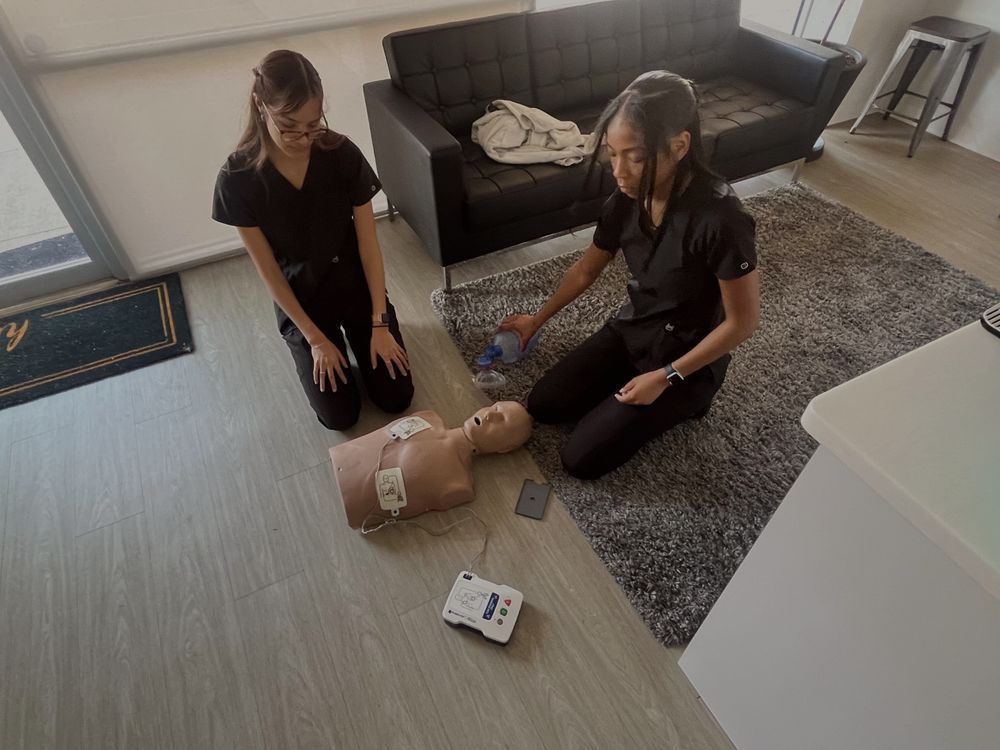
Week 4: First lab weekend (in-person, real dental office)
- Dental X-ray technique and safety
- Instrument identification and handling
- Sterilization procedures and operatory setup
- Chairside assisting basics and four-handed dentistry
Weeks 5–7: Advanced skills (online + take-home lab kit)
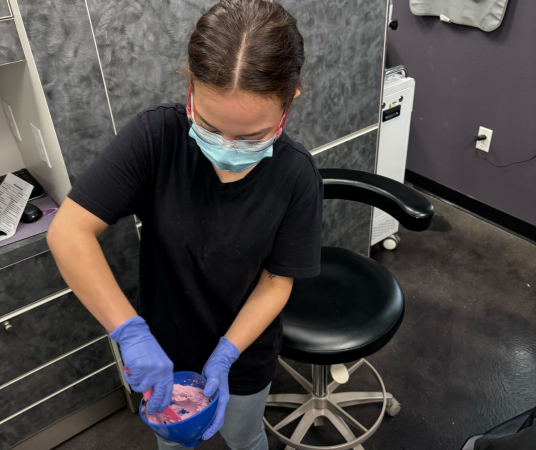
- Dental materials — impressions, cements, composites
- Advanced chairside assisting for complex procedures
- Charting, scheduling, insurance, and office administration
- Practice kit work to build muscle memory between labs
Week 8: Second lab weekend (in-person, real dental office)
- Advanced radiography and troubleshooting
- Full-arch impressions and model pouring
- Complex chairside scenarios
- Infection control mastery
Weeks 9–10: Certification prep and career readiness (online)
- Comprehensive skills review
- RDA exam preparation — content review and practice questions
- X-ray certification prep
- Resume writing, interview techniques, job search strategies
Step 5: Earn your certification
After completing training, sit for the RDA exam. Arch integrates exam prep throughout the curriculum, so by graduation you’ve already been studying for weeks. The exam covers:
- Dental anatomy and radiography
- Infection control and sterilization
- Dental materials and chairside procedures
- Patient management and communication
- Professional standards and ethics
Step 6: Find your first job
Dental assistant jobs are in steady demand. Your job search toolkit:
- Job boards — Indeed, ZipRecruiter, LinkedIn, dental-specific sites
- Dental office career pages — individual practices and DSOs post directly
- Training connections — the dental offices where you trained may have openings
- School career support — resume help, interview coaching, and employer connections
- Local dental associations — job boards and networking events
What employers want
- Completed training from a reputable program
- RDA certification or exam-ready status
- Clinical competency — chairside assisting, radiography, infection control
- Professionalism, reliability, and strong communication
- A positive attitude and willingness to learn
Step 7: Build your career
Your first dental assistant position is the beginning:
- Advance into lead or head assistant roles
- Specialize in orthodontics, oral surgery, periodontics, or pediatric dentistry
- Move into office management or practice administration
- Earn expanded function certifications where state law permits
- Use the experience as a foundation for dental hygiene or other careers
What dental assistants earn
- Entry-level: approximately $33,000–$40,000/year
- National median: approximately $46,000–$48,000/year (BLS, 2026)
- Experienced / specialty: $52,000–$60,000+/year
Factors that increase pay: RDA certification, specialty practice experience, expanded functions, and reliability.
The complete timeline
| Step | Duration |
|---|---|
| Research and enrollment | A few days |
| Training | 10 weeks |
| Certification exam | 1–3 weeks post-graduation |
| Job search and hiring | 2–4 weeks |
| Total: decision to employment | Approximately 3–4 months |
Three to four months from right now, you could be working in a dental office, earning a competitive salary, and building a career with real growth potential.
Common concerns (and honest answers)
“I don’t have any healthcare experience.” That’s completely fine. Arch’s program is designed for complete beginners. No prerequisites, no medical background needed. Most students come from entirely different industries.
“Can I afford it?” Arch’s tuition is $2,950 with flexible weekly payment plans. No student loans, no financial aid required. You graduate debt-free and start earning immediately.
“Will I actually get hired?” Dental assistant demand is strong and growing. The BLS projects consistent employment growth through 2032. Trained, certified assistants are what dental offices are looking for — and training in real dental offices gives you connections that often lead directly to employment.
“What if I don’t like it?” Most people who enter dental assisting stay because the work is varied, meaningful, and stable. But even if you eventually move in a different direction, the experience and certification are valuable credentials in any healthcare-adjacent career.
“Is 10 weeks really enough?” Arch’s program focuses every hour on the skills you’ll actually use. No general education padding, no unnecessary prerequisites. Students graduate with clinical experience in real dental offices, RDA exam readiness, and the confidence to start contributing from day one.
Why dental assisting is worth considering in 2026
- Healthcare jobs are among the most recession-resistant careers
- Dental assistant demand continues to grow faster than average
- The training is short, affordable, and accessible — no degree required
- Earning potential is strong and increases quickly with experience
- The work is hands-on, people-centered, and genuinely rewarding
What makes Arch different from other paths
The typical route involves community college programs (9–12 months, $5,000–$15,000) or associate’s degrees (2 years, $10,000–$25,000+). Arch offers a fundamentally different model:
- 10 weeks instead of months or years
- $2,950 instead of $10,000–$25,000
- Online-first — live Saturday sessions with weekday self-paced work
- Real dental office training — 4 lab days in actual practices, not classroom simulations
- RDA + X-ray certification prep included
- Graduate debt-free — no loans, no financial aid needed
- No prerequisites — no college courses, no healthcare experience required
The clinical and certification outcomes are comparable to longer programs — but you get there in a fraction of the time and cost.
Get started with Arch
- Explore the program: Program details
- Review tuition and payment plans: Tuition
- Talk to our team: Contact
- Apply: How to apply
You're only a few months from the medical assistant career you deserve.