How to Find the Best Dental Assistant Schools Near You (2026 Guide)
Type “dental assistant schools near me” into Google and you’ll get dozens of results — community colleges, vocational schools, online programs, and everything in between. The problem isn’t finding options. It’s knowing which ones are actually worth your time and money.
This guide breaks down exactly what to look for when choosing a dental assistant school, what red flags to avoid, and where Arch fits into the picture.
What to look for in a dental assistant school
1. Real hands-on training (not just classroom hours)
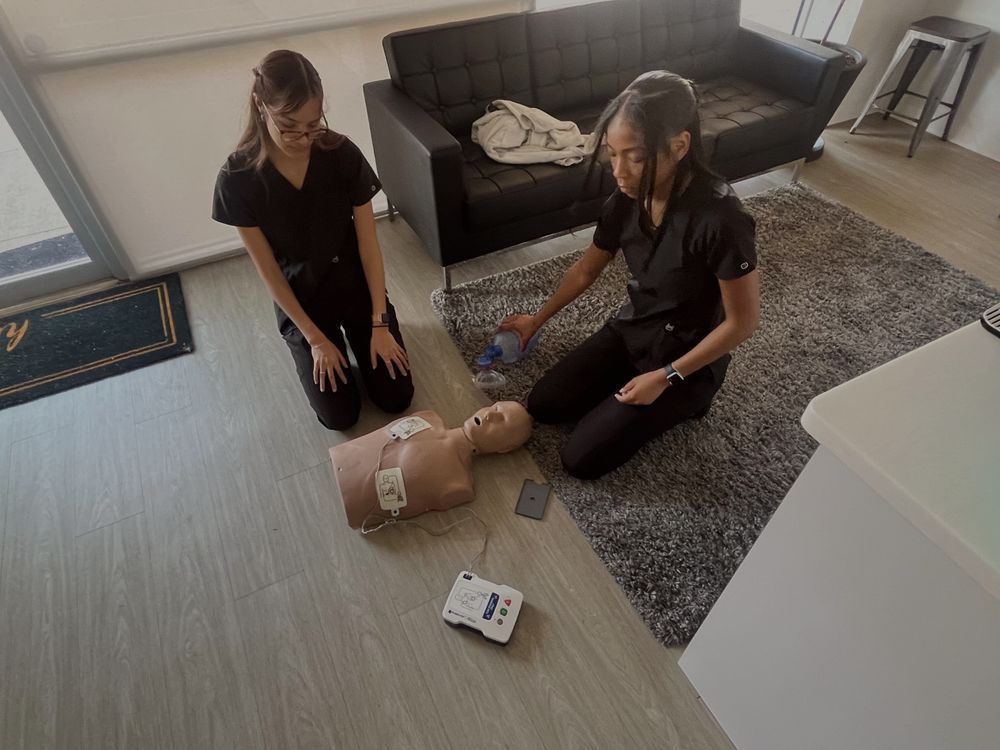
Dental assisting is a physical job. You sterilize instruments, assist during procedures, take X-rays, and communicate with nervous patients. If a program doesn’t include supervised, hands-on practice, you won’t be prepared.
What Arch does differently: Training happens inside real, working dental offices through partnerships with local dentists — not just a lab on a school campus. You get 4 lab days (9 hours each) across 2 weekends in weeks 4 and 8.
2. Program length that respects your time
Some dental schools near me results will show programs that take 9–12 months or longer. That’s fine if you have the time. But if you want to start working sooner, a shorter program that covers the same essential skills is worth considering.
Arch’s timeline: 10 weeks from enrollment to completion.
3. Transparent, affordable tuition
Before you enroll anywhere, you should know exactly what you’re paying. Watch out for programs that advertise low tuition but tack on fees for materials, exams, uniforms, or technology.
Arch’s cost: $2,950 all-in, with flexible payment plans. Students graduate debt-free — no financial aid needed, by design.
4. Exam and certification preparation
Employers increasingly prefer (or require) credentials. Make sure your program prepares you for a recognized exam.
Arch prepares you for: The Registered Dental Assistant (RDA) exam.
5. Flexible scheduling for real life
If you’re working, parenting, or managing other responsibilities, a program that expects you in a classroom 40 hours a week might not be realistic.
Arch’s format: Online-first with live, instructor-led sessions on Saturdays, plus 2 in-person lab weekends. The rest of your week stays open.
6. No unnecessary prerequisites
Some programs require college-level science courses before you can even apply. That adds months (and cost) before you start actual training.
Arch’s requirements: No prior healthcare experience or college credits needed.
Red flags to watch for
Not every result that shows up for “dental assistant schools near me” is worth pursuing. Watch out for:
- No hands-on component — if the entire program is online, you won’t be ready for clinical work
- Vague curriculum — if they can’t tell you specifically what you’ll learn, move on
- Hidden fees — ask for a full cost breakdown before signing anything
- No exam preparation — if the program doesn’t prepare you for RDA or another recognized credential, your training may not carry the weight you need
- High-pressure enrollment tactics — any program that won’t let you take a day to think is not acting in your interest
How Arch compares to other dental assistant schools
| Arch | Community College | Online-Only Program | |
|---|---|---|---|
| Time | 10 weeks | 9–12 months | Varies (often self-paced) |
| Cost | $2,950 | $5,000–$15,000+ | $3,000–$8,000+ |
| Hands-on training | Real dental offices | Campus lab | None or minimal |
| Scheduling | Online + 2 weekends | Set class schedule | Fully remote |
| Debt | Zero by design | Possible loans | Varies |
| Exam prep | RDA included | Varies | Often not included |
Take the next step
You’ve done the research. Now here’s what comes next:
- Review the program — see what you’ll learn and how training works: Program details
- Understand the cost — get the full picture on tuition and payments: Tuition
- Ask your questions — talk to a real person: Contact
- Apply when you’re ready: How to apply
You're only a few months from the medical assistant career you deserve.