Dental Assistant Career Advancement: From Entry Level to Lead, Specialty, and Beyond
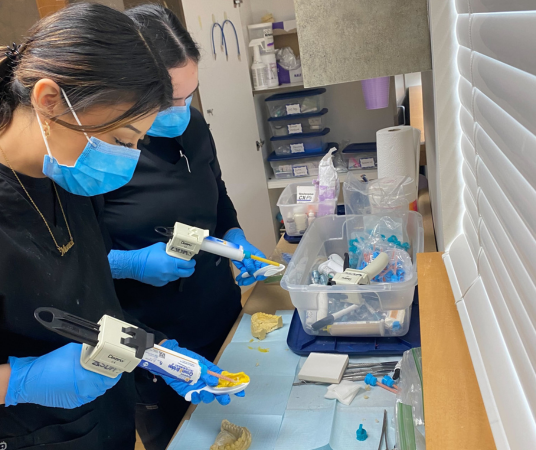
Dental assisting isn’t a dead-end job — it’s an entry point with multiple advancement tracks. The career path from entry-level assistant to lead roles, specialty practice, expanded functions, and management is well-documented and well-compensated.
Here’s what advancement looks like at each stage and what it pays.
Year 1: Build Your Foundation
Focus: Develop speed, consistency, and clinical confidence with core skills.
In your first year, you’ll master the daily workflows that make a dental office function: chairside assisting, radiography, sterilization, dental materials, and patient communication. The tasks that required conscious effort during training become automatic.
What advances your career: Earn your RDA certification immediately. It’s the single fastest way to increase pay ($2,000–$6,000/year premium) and signal professionalism to your employer.
Typical salary: $33,000–$40,000
Years 2–3: Expand Your Responsibilities
Focus: Take on additional duties, mentor new hires, and develop specialty interests.
Dental assistants who demonstrate reliability and growing competency naturally take on more:
- Training new assistants and externs
- Managing sterilization and compliance
- Leading supply ordering and vendor relationships
- Handling more complex procedures
- Taking on patient education responsibilities
What advances your career: Express interest in additional responsibilities. Volunteer to train new hires. Start researching specialty practices that interest you.
Typical salary: $40,000–$48,000
Years 3–5: Specialize or Lead
Specialty practice track
Moving into orthodontics, oral surgery, periodontics, or another specialty increases both your skills and your pay. Specialty dental assistants earn $2–$5/hour more than general practice assistants.
Lead assistant track
The lead dental assistant role adds supervisory responsibilities: managing other assistants, overseeing clinical workflows, quality assurance, and serving as the primary liaison between clinical staff and the dentist/office manager.
Lead DA salary: $50,000–$60,000
Expanded Functions (EFDA)
In states that offer EFDA certification, additional training allows you to perform advanced procedures: placing restorations, applying sealants, taking final impressions. EFDA certification commands a $4,000–$12,000/year premium.
Years 5+: Management, Education, or Pivot
Office management
Dental assistants with clinical knowledge and administrative skills are strong candidates for practice manager roles. Office managers oversee staff, finances, patient experience, compliance, and operations.
Office manager salary: $50,000–$70,000+
Dental education
Experienced, certified dental assistants can teach in training programs — sharing their clinical expertise with the next generation.
Dental hygiene
Many dental hygienists started as dental assistants. Your clinical experience provides a significant advantage in hygiene school applications and coursework. The hygiene path adds 2+ years of school but leads to a median salary of $81,400/year.
Related fields
Dental assisting experience also opens doors to dental sales, insurance and billing specialization, practice consulting, and dental public health.
The Numbers
| Career Stage | Typical Salary | Timeline |
|---|---|---|
| Entry-level DA | $33,000–$40,000 | Year 1 |
| Experienced DA (certified) | $40,000–$48,000 | Years 2–3 |
| Specialty DA | $48,000–$58,000 | Years 3–5 |
| Lead DA | $50,000–$60,000 | Years 3–5 |
| EFDA | $50,000–$58,000 | Years 3+ |
| Office manager | $50,000–$70,000+ | Years 5+ |
Start Advancing
Every advancement track starts with the same foundation: quality training and RDA certification. Arch Dental Assistant School provides both in 10 weeks.
- See the full program: Program details
- Review tuition and payment plans: Tuition
- Talk to our team: Contact
- Apply: How to apply
You're only a few months from the medical assistant career you deserve.