Dental Assistant School Online: How to Evaluate Your Options

Searching for a dental assistant school online returns dozens of options — but the differences between them matter more than most comparison sites acknowledge. Some programs produce certified, employable graduates. Others sell coursework that won’t prepare you for the physical realities of a dental office. A few get the balance right by combining online convenience with the hands-on clinical training that the job requires.
Here’s a framework for evaluating online dental assistant schools so you choose one that actually leads to employment.
The Five Things That Matter Most
1. Does it include hands-on clinical training?
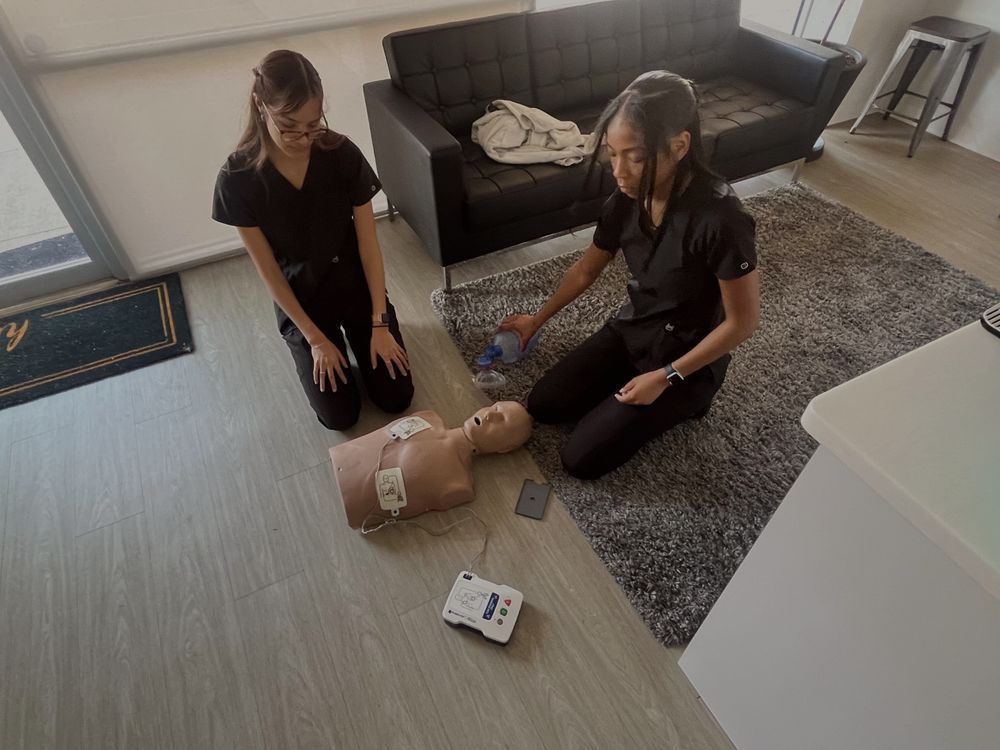
This is the single most important question. Dental assisting is a physical profession — you pass instruments, take X-rays, mix materials, sterilize equipment, and work inside patients’ mouths. These skills require practice on real equipment under real supervision.
What to look for: In-person lab sessions using dental instruments, radiography equipment, and dental materials. Programs that are 100% online cannot provide this.
How Arch handles it: 4 intensive lab days (9 hours each) spread across 2 weekends at weeks 4 and 8. You practice every core clinical skill with real equipment and direct instructor feedback.
2. What certification does it prepare you for?
Employers care about nationally recognized credentials:
- RDA (Registered Dental Assistant) — state-level certification recognized across the profession
- CDA (Certified Dental Assistant) — national credential from DANB
Programs that issue their own “certificate of completion” without preparing you for a standardized certification exam are selling a piece of paper, not a career credential.
How Arch handles it: RDA exam preparation is integrated throughout all 10 weeks of the curriculum.
3. Is instruction live or self-paced?
Self-paced programs sound appealing — study whenever you want, move at your own speed. In practice, most self-paced students struggle with accountability and completion rates.
Live, instructor-led online classes provide:
- Real-time questions and answers
- Structured scheduling that keeps you on track
- Instructor engagement and feedback
- A cohort experience with classmates in the same program
How Arch handles it: All online sessions are live and instructor-led. Not pre-recorded videos.
4. What does it cost — and are student loans involved?
For a 10-week training program, student loans are unnecessary and create financial burden that doesn’t match the investment. Look for:
- Clear, upfront tuition disclosure
- Payment plans that let you pay as you go
- No pressure to apply for federal financial aid
How Arch handles it: $2,490 tuition with weekly payment plans. No student loans. Graduate debt-free.
5. Does the program provide career support?
Getting trained is step one. Getting hired is the goal. Career support should include:
- Resume and cover letter assistance tailored to dental assisting
- Interview preparation with dental-office-specific scenarios
- Job search guidance and local employer connections
How Arch handles it: Career readiness training is built into the final phase of the program.
What You’ll Learn at an Online Dental Assistant School
A well-designed program covers both the knowledge-based content (delivered online) and the physical skills (practiced in-person):
Online curriculum
- Dental terminology and tooth anatomy
- Dental materials — properties, mixing, application
- Infection control — OSHA standards, sterilization science
- Dental radiography — physics, safety, technique theory
- Administrative skills — charting, scheduling, insurance, EHR
- Patient communication and professional conduct
- RDA exam content and test preparation
In-person lab skills
- Instrument identification, passing, and management
- X-ray positioning, exposure, and processing
- Impression taking and material handling
- Chairside assisting and four-handed technique
- Sterilization procedures and operatory management
The 10-Week Timeline
| Phase | Weeks | What Happens |
|---|---|---|
| Foundation | 1–3 | Dental terminology, anatomy, infection control, intro to chairside |
| Lab Weekend 1 | Week 4 | Instruments, radiography, sterilization, chairside simulation |
| Core Clinical | 5–7 | Materials, advanced radiography, procedures, admin skills |
| Lab Weekend 2 | Week 8 | Advanced techniques, materials handling, full procedure simulation |
| Certification Prep | 9–10 | Comprehensive review, practice exams, career readiness |
Career Outlook After Graduation
- Median salary: $46,540/year (BLS)
- Job growth: 7% through 2033
- Entry-level: $33,000–$40,000
- Certified/experienced: $48,000–$58,000+
- Training to employment: approximately 3 months total
The dental assisting field is growing steadily, driven by an aging population, expanded dental insurance coverage, and increasing demand for preventive care. Trained, certified dental assistants are consistently in demand.
Red Flags to Avoid
Be cautious of online dental assistant schools that:
- Offer no in-person clinical component at all
- Don’t prepare you for a recognized certification (RDA, CDA)
- Use only pre-recorded videos with no live instruction
- Won’t disclose full tuition before enrollment
- Push student loans for short-term programs
- Make employment guarantees (no legitimate program can guarantee a job)
- Have no career support or externship component
Ready to Evaluate Your Options?
- See the full Arch program: Program details
- Review tuition and payment plans: Tuition
- Talk to our team: Contact
- Apply: How to apply
You're only a few months from the medical assistant career you deserve.