Dental Assistant Training Checklist: How to Pick the Best Program
Dental Assistant Training Checklist: How to Pick the Best Program
Choosing a dental assistant training program is one of the most important decisions you’ll make as you begin your career in dentistry. With demand for dental assistants steadily growing across private practices, specialty clinics, and community dental centers, the right education can give you a competitive edge—both in hiring and in your ability to deliver high-quality care. But with so many options available, how do you know which program is right for you?
A great dental assistant training program should do more than prepare you for a role in the office. It should equip you with real-world skills, hands-on experience, and the confidence to step into any dental setting. Whether you’re switching careers or entering the field for the first time, here’s a five-part checklist to help you pick the best program for your goals.
-
Reputation and Student Success The first thing to research when evaluating a dental assistant program is the school’s reputation. Look for programs with a strong track record of preparing students for real-world dental careers. A school’s longevity, online reviews, graduate testimonials, and employer relationships all offer insight into its quality.
Some schools are transparent about outcomes such as graduation rates, job placement statistics, or employer partnerships. Programs that highlight success stories demonstrate their ability to turn students into confident, job-ready graduates. Choosing a program with a solid reputation ensures that you’re not just getting classroom knowledge, but also a clear path toward long-term career success.
-
Balanced Curriculum: Clinical and Administrative Training Dental assistants often split time between clinical duties—such as chairside support, sterilizing instruments, and preparing X-rays—and administrative responsibilities, including scheduling appointments and updating patient records. The best training programs cover both skill sets so you’re ready to work in any practice, whether small and family-focused or part of a larger dental network.
Look for coursework that includes:
Dental anatomy and terminology
Radiography and X-ray safety
Infection control and sterilization
Chairside assisting techniques
Dental materials and impressions
Patient communication and front-office administration
A balanced curriculum prepares you to become a versatile team member who can adapt to different environments. Some programs may also offer modules in specialties like pediatric dentistry or orthodontics, which can help you align training with your long-term interests.
-
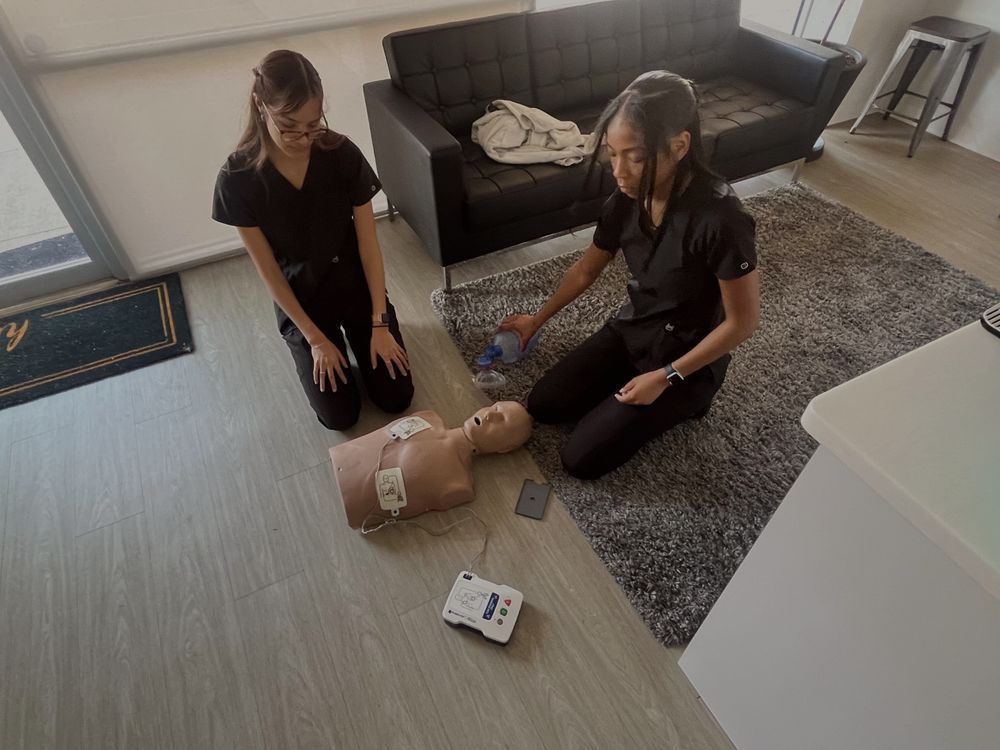
Hands-On Labs and Real-World Experience Dental assisting is a hands-on profession, so your training program should provide significant opportunities to practice real skills. While online lectures are useful for theory, you’ll want a program that emphasizes in-person lab sessions where you’ll learn to take impressions, sterilize instruments, and assist during procedures.
Externships or clinical rotations in dental offices are equally valuable. These experiences let you interact with patients, support dentists in live procedures, and practice professional communication in a working environment. Programs that partner directly with local practices ensure you’re prepared to step confidently into a job on day one.
When evaluating programs, ask:
How many in-person labs are included?
Are externship placements guaranteed?
Will I receive feedback and mentoring during labs and rotations?
The best programs make hands-on training a priority, giving you the confidence to handle real patients and real procedures.
-
Flexibility and Student Support Not every student can commit to a rigid, full-time schedule. If you’re balancing work, family, or other responsibilities, flexibility is key. Many modern programs offer hybrid formats with online coursework for theory and scheduled in-person labs for practical experience.
Questions to ask include:
Is the program full-time or part-time?
Can I complete coursework online at my own pace?
How long does the program take to complete?
Are lab sessions predictable and easy to schedule?
Beyond flexibility, support services make a huge difference. Look for programs that offer career coaching, resume and interview prep, tutoring, and mentorship. Schools that provide job placement assistance can help bridge the gap between graduation and employment, reducing the stress of the job search and connecting you with trusted employers.
-
Cost, Value, and Career Readiness Dental assistant programs vary widely in cost and structure. Some community-based options are low-cost but take longer to complete, while fast-track programs can be finished in just a few months. Your goal should be to find a program that balances affordability with quality and job-readiness.
Consider these factors when comparing programs:
Tuition and fees (including books, lab materials, and uniforms)
Availability of financial aid or payment plans
Time to completion versus cost
Career services or employer partnerships
Don’t just choose the least expensive program—choose the one that gives you the strongest return on investment. If a program helps you graduate quickly, secure a job soon after, and enter the workforce with confidence, the value outweighs the price tag.
Final Thoughts: Choosing the Right Path
There’s no single “perfect” dental assistant program that fits everyone. The best choice for you depends on your schedule, financial situation, learning style, and career goals. By using a checklist like this, you can evaluate your options with clarity and ensure you’re making a smart, informed decision.
The dental field needs skilled, compassionate professionals—and the right training program can help you become one of them. Whether you want to work in general dentistry, orthodontics, or pediatric care, your training should equip you with the knowledge, hands-on practice, and confidence to succeed.
Arch Dental Assistant School offers a streamlined, online-first 16-week program designed for busy learners. With flexible online coursework and intensive in-person labs, Arch prepares students to help real patients with real care. If you’re ready to start your dental career with confidence, explore how Arch Dental Assistant School can help you take the next step.
You're only a few months from the medical assistant career you deserve.