Dental Assistant vs. Dental Hygienist: Which Career Is Right for You?

Dental Assistant vs. Dental Hygienist: Which Career Is Right for You?
Choosing a dental career can feel overwhelming, especially when multiple roles seem similar but lead to very different day-to-day responsibilities. Two popular paths—dental assistant and dental hygienist—often top the list for those who want to enter the dental field quickly. But which one is the best fit for you?
This article explores the key differences between dental assistants and dental hygienists, from job duties and work environments to training timelines and career advancement. If you’re trying to decide which career to pursue, this guide will help you choose based on your strengths, interests, and goals.
Job Responsibilities
Dental Assistants
Dental assistants provide direct chairside support to dentists and hygienists. Their responsibilities include:
Preparing treatment rooms and sterilizing instruments
Assisting the dentist during exams and procedures
Taking impressions and X-rays (where permitted)
Scheduling appointments and updating patient records
Explaining treatment steps and after-care instructions
They are the glue that keeps the dental office running smoothly, balancing patient interaction with hands-on clinical support.
Dental Hygienists
Dental hygienists focus more on preventive care and independent patient treatment. Their responsibilities include:
Performing cleanings and scaling teeth
Conducting oral health screenings
Applying sealants and fluoride treatments
Educating patients on proper oral hygiene
Recording treatment plans and reporting findings to the dentist
Hygienists play a more clinical role and often spend longer, one-on-one time with patients compared to assistants.
Work Environments
Where Dental Assistants Work:
General dental practices
Orthodontic and pediatric clinics
Oral surgery and specialty offices
Their role is varied, with both clinical and administrative components, and schedules typically follow standard office hours.
Where Dental Hygienists Work:
Dental practices (general or specialty)
Public health programs
Schools or community health clinics
Hygienists’ roles are more focused on direct patient care, with less administrative work. Hours are often regular, but part-time opportunities are common in this field.
Training and Education
Dental Assistants
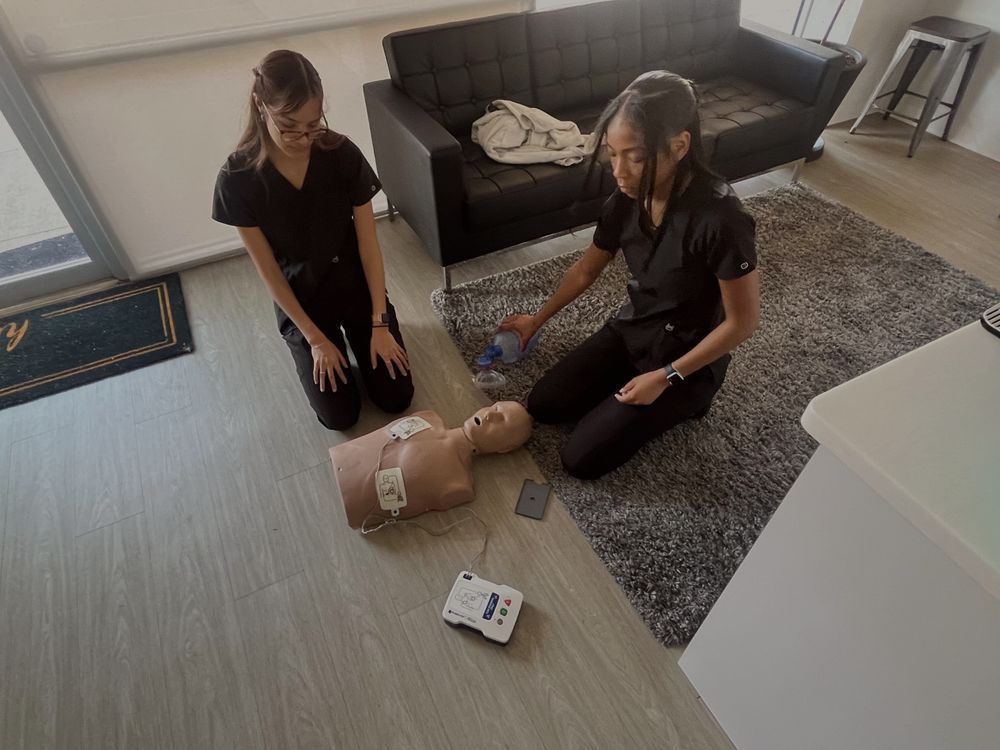
Training programs for dental assistants can often be completed in under a year. Students learn chairside techniques, infection control, radiography, and patient communication through a mix of online coursework and in-person labs.
Dental Hygienists
Becoming a dental hygienist requires more advanced education, often a two-year associate degree or higher. Coursework focuses on oral anatomy, periodontology, and preventive care, along with extensive clinical training.
Skills and Strengths
Best Fit for Dental Assistants:
Enjoy fast-paced, flexible roles
Comfortable balancing clinical and administrative tasks
Strong organizational and multitasking skills
Patient-focused and team-oriented
Best Fit for Dental Hygienists:
Detail-oriented with a focus on preventive health
Comfortable working more independently with patients
Strong communication and education skills
Passionate about long-term oral health outcomes
Career Advancement Opportunities
Dental Assistants:
Lead dental assistant or office manager
Expanded function dental assisting (varies by state)
Transition into dental hygiene with further education
Dental Hygienists:
Specialization in pediatric, periodontal, or public health settings
Opportunities to teach or work in community health programs
Advanced degrees for roles in research or administration
Which Career Should You Choose?
If you prefer variety, patient interaction, and a quicker training path, dental assisting may be your ideal choice. If you want to focus more on preventive care, build strong patient relationships, and pursue a longer educational track, dental hygiene could be the better fit.
Both careers are rewarding, in-demand, and essential to the dental team—but your decision comes down to your personality, lifestyle goals, and long-term vision.
Start Your Dental Career with Confidence
At Arch Dental Assistant School, we prepare students for success with flexible online training and in-person labs that provide real-world experience. If you’re ready to take the first step toward a hands-on career in dentistry, our program can get you job-ready in months—not years.
You're only a few months from the medical assistant career you deserve.