Dental Assistant vs. Sterilization Technician: What’s the Difference?
Dental Assistant vs. Sterilization Technician: What’s the Difference?
In today’s busy dental practices, two roles are essential to ensuring smooth operations and patient safety: dental assistants and sterilization technicians. While these positions sometimes overlap and often work closely together, their responsibilities, training, and career paths are distinct. If you’re considering a career in dentistry—or are simply curious about how these two jobs differ—understanding the distinctions can help you choose the right path.
Job Responsibilities
Dental Assistant Duties
Dental assistants perform both chairside clinical duties and front-office support. They work directly with patients and dentists to ensure a smooth visit from start to finish. Common responsibilities include:
Preparing patients for exams and treatments
Assisting dentists during procedures by passing instruments and suctioning
Taking and developing dental X-rays
Educating patients on oral hygiene practices
Maintaining and updating patient records
Handling some scheduling and administrative tasks
Dental assistants are multi-skilled professionals who bridge the gap between patient care and clinical support.
Sterilization Technician Duties
Sterilization technicians, by contrast, focus entirely on infection control and instrument preparation. Their responsibilities include:
Cleaning, sterilizing, and organizing dental instruments
Operating autoclaves and other sterilization equipment
Monitoring and documenting sterilization cycles for compliance
Maintaining inventory of sterile supplies
Ensuring that each treatment room is stocked with properly sanitized tools
Although sterilization techs don’t provide direct patient care, their role is vital for patient safety and clinical efficiency.
Education and Training
Becoming a Dental Assistant
Dental assistants typically complete a certificate or diploma program from an accredited school. These programs usually take under a year and cover topics such as:
Dental anatomy and terminology
Radiography and X-ray safety
Chairside assisting procedures
Infection control
Dental materials and lab techniques
Office management basics
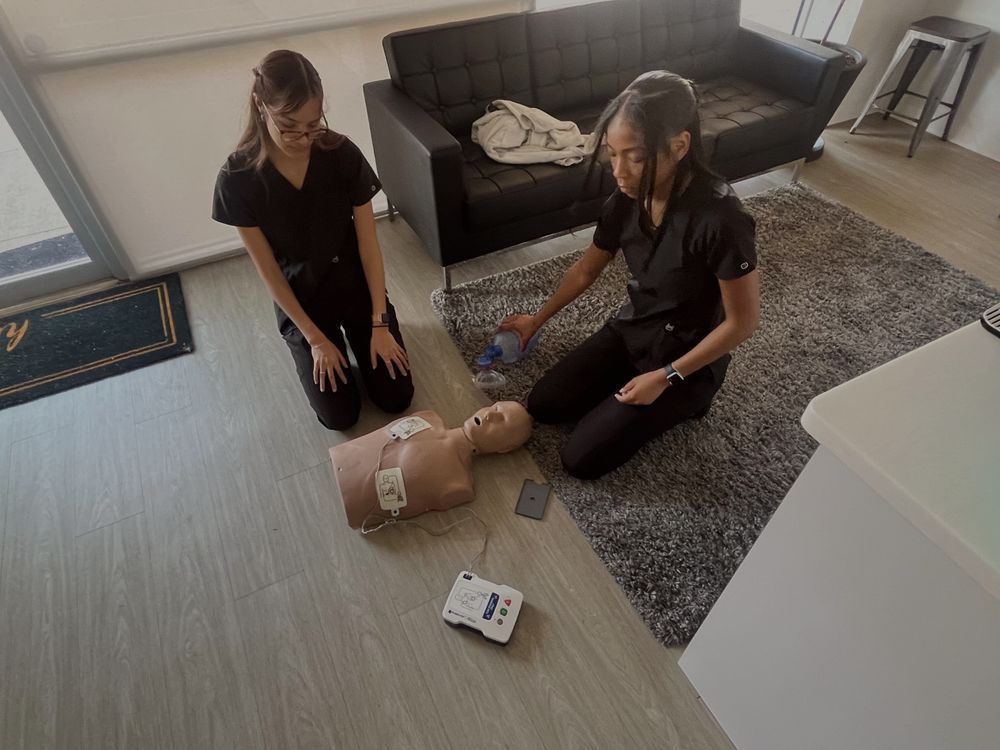
Many programs, such as Arch Dental Assistant School, combine online coursework with hands-on labs, preparing students for real-world patient interaction.
Becoming a Sterilization Technician
Sterilization technicians may not need formal dental training to get started. Many practices provide on-the-job training, though some candidates complete short courses in infection control or sterile processing. Because they don’t perform chairside duties, their education requirements are often less rigorous than those for dental assistants.
Skills Required
Top Skills for Dental Assistants
Strong communication with patients and dentists
Knowledge of dental procedures and terminology
Dexterity and hand-eye coordination for chairside support
Proficiency with dental radiography equipment
Organizational skills for scheduling and charting
Top Skills for Sterilization Technicians
Attention to detail and precision in sterilization procedures
Knowledge of infection control protocols
Technical skills in operating autoclaves and sterilizers
Organizational skills for tracking instruments and supplies
Commitment to safety and compliance standards
Work Environment
Dental assistants spend their time in operatories and front offices, working directly with patients and providers. Their days are fast-paced and varied, blending clinical and administrative responsibilities.
Sterilization technicians typically work behind the scenes in designated sterilization areas. They focus on maintaining a sterile, organized instrument flow to support the clinical team. While less patient-facing, their role is equally essential to the function of a dental practice.
Career Growth Opportunities
Dental Assistant Pathways
Dental assistants have multiple options for career advancement, including:
Pursuing expanded functions dental assisting (EFDA), depending on state regulations
Becoming a dental hygienist with further education
Moving into practice management or dental office administration
Specializing in orthodontics, oral surgery, or pediatric dentistry
Sterilization Technician Pathways
Sterilization technicians often use the role as an entry point into dentistry. With additional education, they may transition into:
Dental assisting
Expanded sterilization management or compliance roles
Broader healthcare sterile processing positions in hospitals
Choosing the Right Path
If you enjoy direct patient care, want variety in your daily tasks, and are interested in growing into advanced dental roles, becoming a dental assistant may be the best fit.
If you prefer working behind the scenes, enjoy organization and technical precision, and want an entry-level position with fewer training requirements, a role as a sterilization technician could be ideal.
Start Your Dental Career with Confidence
Both dental assistants and sterilization technicians are crucial to keeping dental practices safe, efficient, and patient-friendly. The difference comes down to whether you’d like to interact directly with patients or focus on infection control and instrument management.
Arch Dental Assistant School offers a 16-week, online-first program with hands-on labs to prepare you for the wide-ranging responsibilities of dental assisting. From chairside care to radiography and patient communication, our program equips you with the confidence and skills to succeed in real dental offices.
You're only a few months from the medical assistant career you deserve.