Engaging Future DAs: Designing Youth Dental Education Programs
Engaging Future DAs: Designing Youth Dental Education Programs
The future of oral healthcare depends on a strong, skilled, and motivated workforce—and that includes dental assistants, who play an essential role in patient care. As demand for dental assistants continues to grow, it’s more important than ever to spark interest in the profession early. By engaging middle school and high school students with thoughtfully designed education programs, we can inspire the next generation of dental assistants and build a pipeline of talent prepared for tomorrow’s dental practices.
Youth healthcare education programs that highlight dental assisting can help address workforce shortages and open doors for students who may not have considered careers in dentistry. These programs don’t just create awareness; they provide foundational skills, confidence, and vision for a meaningful career path. Below are six ways to design youth dental education programs that truly connect with and inspire future dental assistants.
-
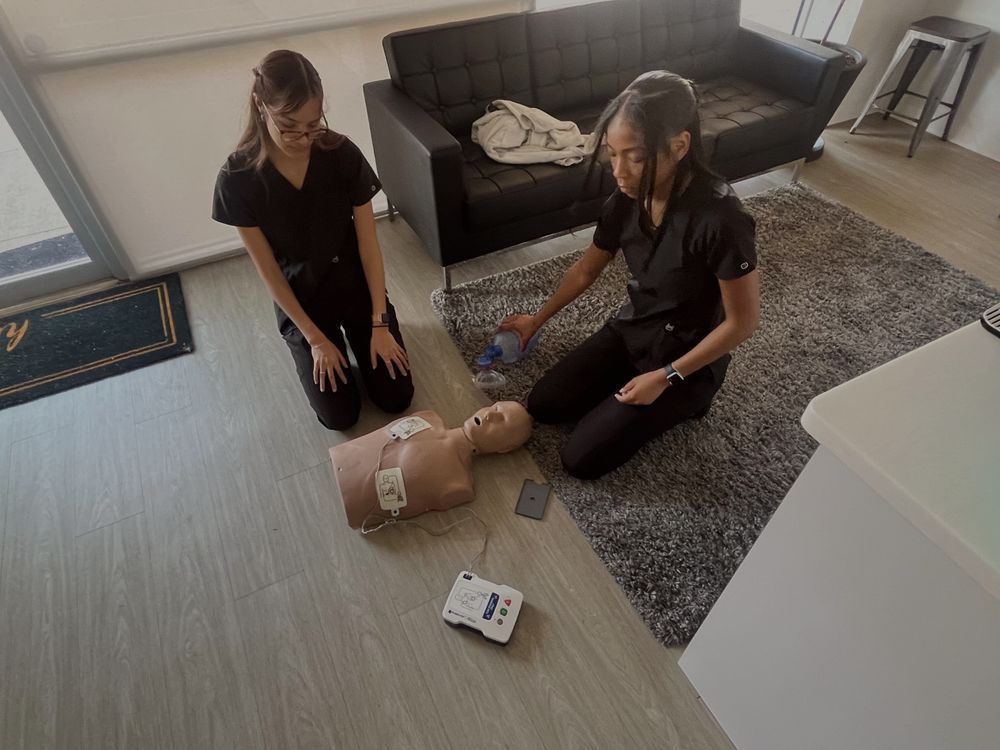
Incorporate Hands-On, Interactive Learning The best way to get students excited about dental assisting is to give them hands-on exposure. Workshops that allow students to practice skills like taking impressions on models, learning proper handwashing techniques, or assisting in mock chairside procedures make the career feel real and attainable.
Role-playing activities—such as acting out patient check-ins or practicing how to set up an exam tray—help students picture themselves in the role of a dental assistant. These interactive experiences build confidence and make learning both engaging and memorable.
-
Focus on Real-World Exposure and Mentorship Connecting students with real dental professionals brings the role of a dental assistant to life. Shadowing opportunities, office tours, or virtual meet-and-greets with practicing dental assistants and hygienists give students valuable insight into daily responsibilities.
Mentorship is especially impactful for students from underrepresented communities. Meeting role models who share their background and can share their career journeys helps transform curiosity into motivation. These connections allow students to see the human side of dentistry—the compassion, teamwork, and personal satisfaction it provides.
-
Integrate Career Exploration with Skill Building Youth programs should do more than introduce the idea of dental assisting—they should begin building relevant skills. Soft skills like professionalism, teamwork, and patient communication can be introduced through group activities and peer exercises.
Basic dental knowledge, such as learning the names of instruments, understanding infection control, or exploring oral health basics, can be taught in age-appropriate ways. This not only builds excitement but also gives students a head start on the path to becoming a dental assistant.
-
Partner with Schools and Community Organizations To reach a wide range of students, dental education programs should collaborate with schools, afterschool organizations, and community-based groups. These partnerships make it easier to integrate dental career exploration into existing academic or extracurricular opportunities.
By bringing programs directly into schools or local centers, educators eliminate barriers to access. This approach is especially important for underserved communities where early exposure to dental careers can open doors that might otherwise remain closed.
-
Highlight Accessible Entry Points and Career Growth Students often assume that all healthcare careers require years of education and expensive degrees. Dental assisting education programs should emphasize that this career is accessible, with short training timelines and affordable entry points.
Highlighting the potential to advance into roles like expanded functions dental assistant, dental hygienist, or office manager helps students see that dental assisting is both a great starting point and a platform for long-term growth. Showing flexibility and opportunity makes the career appealing to a broader range of students.
-
Use Technology to Inspire and Connect Today’s students are digital-first learners, so technology should be part of any youth program. Gamified learning tools, virtual simulations, and short-form videos can make dental education engaging and accessible—even in areas where in-person opportunities are limited.
Encouraging students to create content about what they’ve learned—such as videos, presentations, or podcasts—can deepen engagement and help them share their excitement with peers. Social media and digital platforms extend the reach of these programs and help dental assisting feel current and accessible.
Building a Future-Ready Dental Assistant Workforce
Designing youth programs that engage and inspire the next generation of dental assistants is an investment in the future of oral healthcare. By combining hands-on learning, real-world exposure, career exploration, community partnerships, clear pathways, and technology, these programs can turn early interest into lifelong careers.
Whether a student dreams of working in a dental office or using dental assisting as a foundation for further healthcare education, early engagement creates a pathway to success. Dental assisting isn’t just a job—it’s a meaningful career that offers purpose and opportunity.
At Arch Dental Assistant School, we believe the best preparation starts early. Our online-first, 16-week dental assistant program includes intensive, in-person labs that give students the confidence and skills to thrive in real practices. For future dental assistants ready to turn curiosity into career potential, Arch provides the training and support to make it happen.
You're only a few months from the medical assistant career you deserve.