How Veterans Can Transition Into a Civilian Dental Assistant Career
How Veterans Can Transition Into a Civilian Dental Assistant Career
Military veterans leave service with discipline, adaptability, and a strong commitment to helping others—qualities that translate seamlessly into healthcare. With demand for skilled dental professionals continuing to grow, veterans are uniquely positioned to thrive in civilian dental assistant roles, where they can continue making a direct impact on people’s lives.
However, transitioning from military to civilian life isn’t always simple. Veterans may wonder how their service experience applies to the private workforce or how to pursue training in a new field. The good news is that with the right guidance, veterans can find stability and purpose in a career as a dental assistant. Below are six steps to help veterans make the transition—and why Arch Dental Assistant School is a strong place to begin.
-
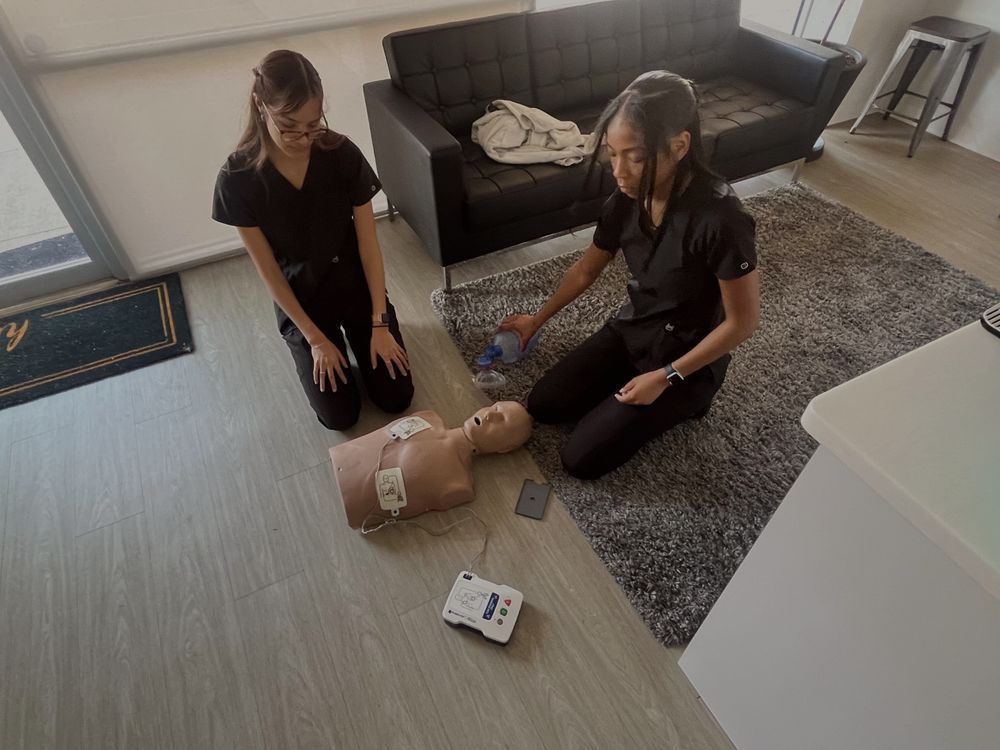
Start with a Veteran-Friendly Dental Assistant Program One of the most important choices for veterans is selecting a training program that understands their background and supports their transition into civilian life. Arch Dental Assistant School offers a 16-week, online-first program paired with in-person lab training. This structure provides the flexibility to balance education with work, family, or VA commitments, while still gaining the hands-on practice needed to succeed in a dental office.
Veterans often appreciate the program’s clear structure, focused labs, and supportive environment. Arch’s approach mirrors aspects of military training—structured, practical, and designed to build confidence step by step.
-
Translate Military Medical Experience into Civilian Skills Veterans with medical experience—such as medics or corpsmen—already have transferable skills. However, civilian employers expect training that matches dental-specific standards. A dental assistant program bridges that gap by teaching core skills such as taking dental X-rays, assisting chairside during procedures, sterilizing instruments, and managing patient records.
Veterans should also reframe their service experience into civilian terms. For example, noting “infection control” or “patient preparation” on a résumé demonstrates how military medical work applies directly to dental care.
-
Use GI Bill® or VA Education Benefits for Training A major advantage for veterans is access to education benefits through the GI Bill® or other VA programs. These benefits can often cover training costs, including tuition and supplies, making dental assistant school even more accessible. Veterans should work with admissions advisors to maximize their benefits and explore additional state or nonprofit scholarships designed specifically for service members.
-
Take Advantage of Career Services and Placement Support The civilian job search can feel unfamiliar for veterans, but career services make the process easier. Arch Dental Assistant School offers job placement support, résumé assistance, and interview coaching. These resources help veterans highlight their strengths, build confidence, and connect with employers in dental practices.
In addition, veterans can use VA employment centers or veteran-focused job boards that often feature healthcare openings. Combining school-based support with veteran resources makes the transition smoother and faster.
-
Leverage Military Soft Skills in Dental Settings Beyond clinical skills, veterans bring powerful traits that are essential in a dental office:
Discipline and reliability: Staying organized and dependable in daily tasks.
Teamwork: Working closely with dentists, hygienists, and office staff.
Adaptability under pressure: Remaining calm while supporting patients who may be anxious or in discomfort.
These qualities are highly valued in dental offices and can set veterans apart from other candidates.
-
Plan a Long-Term Dental Career Path Dental assisting can be the first step toward a broader career in oral healthcare. Many veterans begin as dental assistants and later pursue roles such as Expanded Functions Dental Assistants (EFDAs), dental hygienists, or office managers. Starting with dental assisting gives veterans practical experience while helping them decide whether they want to specialize or grow into leadership roles.
Arch Dental Assistant School Supports Veteran Transitions
For veterans ready to begin civilian life, dental assisting offers a fast, stable, and meaningful career path. The role combines technical training with patient interaction, creating a natural fit for veterans who thrive on teamwork, discipline, and purpose.
Arch Dental Assistant School provides the training and support veterans need to succeed. With a hybrid format that combines online learning and in-person labs, Arch prepares graduates with both confidence and competence. For veterans seeking a clear and supportive path forward, dental assisting may be the perfect next chapter.
You're only a few months from the medical assistant career you deserve.