Is becoming a Dental Assistant a good career in 2026
Is Becoming a Dental Assistant a Good Career in 2026?
As 2026 approaches, students and career changers evaluate fields that promise stability, meaning, and growth. The profession of dental assisting remains one of the most compelling options: it merges patient interaction, clinical skills, and healthcare demand—all with reasonably short training.
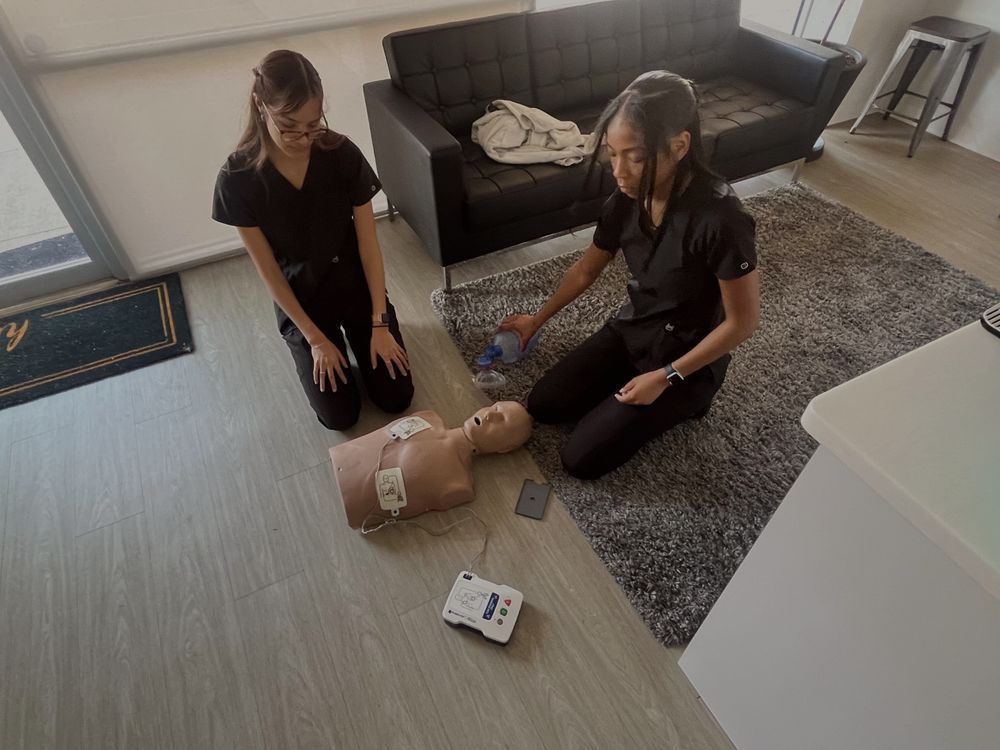
Arch Dental Assistant School’s program combines online instruction with hands-on work, scheduling two weekends practice in a lab. Students spend roughly 36 hours total on hands-on skill development, and the program culminates in a 40-hour externship. The school emphasizes affordability, flexible payment plans, and a path to graduate with little or no student debt.
Why Dental Assisting Is a Strong Choice Beyond 2026
Rising Demand & Technological Growth
The dental field continues to expand, with innovations in digital imaging, CAD/CAM prosthetics, laser dentistry, and minimally invasive procedures. Assistants who can adapt to technology-enhanced workflows will have even greater value. Preventive and cosmetic dentistry also continue to fuel demand.
Job Security & Entry Speed
Because dental assisting training is relatively short and in high demand, turnover is moderate in many regions. For 2026, this means that well-trained graduates still have a competitive edge. Many practices prefer hiring graduates from training programs who already understand modern workflows.
Competitive Compensation & Benefits
While pay varies by region, experience, and certifications, many dental assistants enjoy stable wages plus opportunities for raises, specialty pay (e.g. radiography), and bonus or benefits in established practices.
Career Mobility
Dental assisting can become a stepping stone. Many assistants pursue advanced roles: specialty assisting (orthodontics, oral surgery), office management, treatment coordination, sales, continuing toward dental hygiene, or education.
Meaningful Patient Interaction
Unlike many technical roles, dental assistants contribute directly to patient comfort, education, and care. For people who enjoy blending clinical work with helping others, it remains rewarding.
How Arch’s Program Aligns with 2026’s Expectations
Fast-track 10 weeks allows graduates to start working sooner and respond to market trends.
Hands-on in-office labs teach real skills used daily in practices, not just theory.
Externship exposure bridges the gap between schooling and employment.
Licensing and exam prep support help students validate credentials that matter to employers.
Career support services—resume help, interview advice, job placement networks—assist in bridging from training to full employment.
Challenges & Strategies for 2026
Automation and AI tools: Some tasks might be aided or partially automated—assistants must adapt and learn.
Competition: As more students enter the field, standing out via strong externship and tech skills becomes more important.
Continual learning: Taking continuing education or certification courses helps maintain relevance.
Smart strategies include specializing (e.g. in pediatric, orthodontics), mastering new dental software or digital workflows, and keeping pace with modern techniques.
Becoming a dental assistant in 2026 remains a promising, practical, and meaningful career path. With the right training, attitude, and ongoing learning, you position yourself for stability, opportunity, and professional growth in a field that values both technical skill and patient care.
You're only a few months from the medical assistant career you deserve.