Is Dental Assistant School Hard? What You Need to Know
Is Dental Assistant School Hard? What You Need to Know
Pursuing a career as a dental assistant is a smart move for students who want to enter the healthcare field quickly and make a real difference in patients’ lives. Dental assisting offers a blend of clinical and administrative duties, meaning no two days are the same. But before stepping into this rewarding profession, you’ll need to complete a dental assistant training program—and many students wonder just how challenging that training will be.
The truth is that dental assistant school can be demanding, but it’s entirely manageable for those who are committed, focused, and motivated to help others. Understanding what makes the training tough—and how to overcome those challenges—can help you prepare for success. Below, we’ll explore five reasons dental assistant school can feel challenging, and why those challenges ultimately prepare you for a confident, fulfilling career.
-
Balancing Clinical and Administrative Skills Dental assistants are expected to master both patient-facing and behind-the-scenes duties. On the clinical side, this means assisting dentists chairside, taking impressions, sterilizing instruments, and capturing dental X-rays. On the administrative side, it involves scheduling, updating records, managing billing, and communicating with patients.
Learning this wide range of skills can feel overwhelming at first, especially if you’re new to healthcare. But this dual focus is what makes dental assistants versatile and valuable. By the end of training, graduates are prepared to keep a dental office running smoothly from both the clinical and administrative perspectives.
-
Fast-Paced Programs Require Strong Time Management Many dental assistant programs are designed to be completed in a matter of months. This is great for students who want to start working quickly, but it also means you’ll cover a lot of material in a short period. Anatomy, terminology, clinical procedures, and office systems are often packed into a single semester.
To succeed, you’ll need consistent study habits and the ability to juggle multiple tasks at once. For students managing family or part-time work alongside school, this can be a challenge—but it also builds the kind of time-management skills that are invaluable in a busy dental office.
-
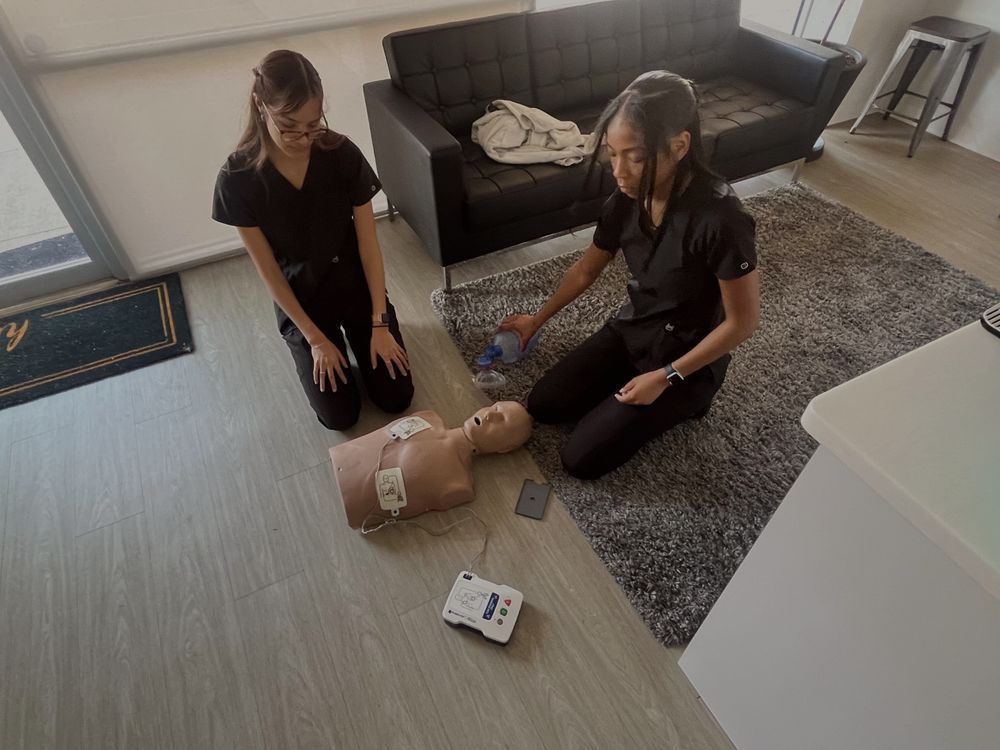
Hands-On Labs Can Be Intense Dental assisting is a hands-on profession, and training reflects that reality. Students spend significant time in labs practicing how to take X-rays, prepare trays, sterilize equipment, and assist with procedures. These sessions can feel intimidating at first, especially when accuracy and infection control are key.
Mistakes are part of the learning process, and instructors provide guidance to help you improve. Over time, you’ll build confidence and learn to stay calm under pressure—exactly the mindset needed to support dentists and reassure patients.
-
Learning Dental Terminology Dental assisting involves a specialized vocabulary. From cavity classifications and tooth anatomy to instruments and procedure codes, students need to learn and apply these terms regularly. For newcomers, it can feel like learning a new language.
But developing fluency in dental terminology pays off. It allows you to chart accurately, communicate clearly with providers, and explain treatments to patients with confidence. As with any language, repetition and practice make the learning curve easier to manage.
-
Certification Exams Require Preparation While not always required, many employers prefer dental assistants who hold certifications such as the Radiation Health and Safety (RHS) or Certified Dental Assistant (CDA) credential. Preparing for these exams adds an extra layer of challenge.
Students must review a wide range of topics and demonstrate both clinical and administrative knowledge. For those who haven’t taken an exam in years, this can be stressful. Fortunately, most programs include exam preparation support through practice tests and study materials. With structured review, many students pass on their first attempt and enter the job market with a credential that makes them more competitive.
Challenges Build Confidence
So, is dental assistant school hard? Yes—it can be challenging. But every challenge serves a purpose: building the skills, discipline, and confidence needed to thrive in real dental offices. Graduates often say the experience prepared them not just for their first job, but for long-term success in healthcare.
If you’re motivated, willing to learn, and passionate about helping others, the rewards of completing dental assistant training far outweigh the difficulties.
Start Your Journey with Arch Dental Assistant School
Arch Dental Assistant School offers a fast, supportive path into the dental field. Our 16-week, hybrid program combines the flexibility of online coursework with intensive, hands-on labs that prepare you for real-world patient care. You’ll graduate with the confidence to support dentists, care for patients, and thrive in a growing career.
Start building your future today with Arch Dental Assistant School.
You're only a few months from the medical assistant career you deserve.