Is Dental Assisting a Low-Stress Career? What You Should Know
Is Dental Assisting a Low-Stress Career? What You Should Know
In a world where work-life balance is more important than ever, many job seekers prioritize careers that offer stability, meaningful work, and manageable stress levels. Dental assisting has become a popular choice for those who want a career that provides quick entry into the healthcare field, steady job growth, and the chance to make a difference in patients’ lives. But a common question arises: Is dental assisting a low-stress career?
The truth is that dental assisting—like most healthcare roles—comes with its own challenges. Whether it’s assisting the dentist chairside, managing sterilization and equipment, or helping patients feel at ease, the role is active and multi-faceted. However, that doesn’t mean it’s overwhelming. Many dental assistants find the work highly rewarding, especially when supported by the right training and strategies for managing stress. Below, we’ll explore six ways dental assistants can keep stress manageable while enjoying a balanced, fulfilling career.
- Strong Organizational Skills Reduce Chaos Dental assistants juggle a variety of responsibilities each day—preparing treatment rooms, scheduling patients, sterilizing instruments, and assisting chairside. Without systems in place, this pace can feel hectic.
Developing strong organizational habits, such as keeping operatories stocked, following consistent routines, and staying on top of patient scheduling, helps reduce mistakes and keeps the day running smoothly. Staying organized creates predictability and control—two factors that significantly lower workplace stress.
-
Clear Communication Eases Workplace Tension Dental assistants work closely with dentists, hygienists, and patients, so communication is key. Misunderstandings can cause delays in treatment or disrupt patient flow, which adds pressure to the entire team.
By practicing clear, confident communication—whether explaining post-procedure instructions to patients or confirming details with the dentist—dental assistants help prevent unnecessary tension. Strong communication skills also create better relationships with coworkers, making the office environment more supportive and less stressful.
-
Knowing Your Scope Prevents Burnout Dental assistants are trained in specific clinical and administrative tasks, and it’s important to understand those boundaries. Taking on responsibilities outside of training or comfort levels can quickly lead to stress and burnout.
Confidently knowing your role ensures both patient safety and personal balance. Being able to advocate for yourself and defer tasks that belong to other members of the dental team helps keep the workload manageable and expectations realistic.
-
Time Management Promotes Confidence From preparing rooms between patients to keeping up with the daily schedule, time management is essential in dentistry. When tasks pile up without a plan, even routine duties can feel stressful.
Effective strategies—like prioritizing urgent tasks, prepping materials in advance, and staying proactive—help dental assistants stay on track. These habits not only reduce errors but also create a sense of control and confidence, which lowers stress levels throughout the day.
-
Patient Connection Brings Meaning and Balance For many dental assistants, the relationships they build with patients are the most rewarding part of the job. Taking a moment to comfort an anxious patient, explain treatment steps, or offer a reassuring presence can make a big difference in the overall experience.
These meaningful interactions balance out the busy pace of the day. When dental assistants see firsthand how their work improves patient comfort and confidence, the challenges of the role often feel more worthwhile.
-
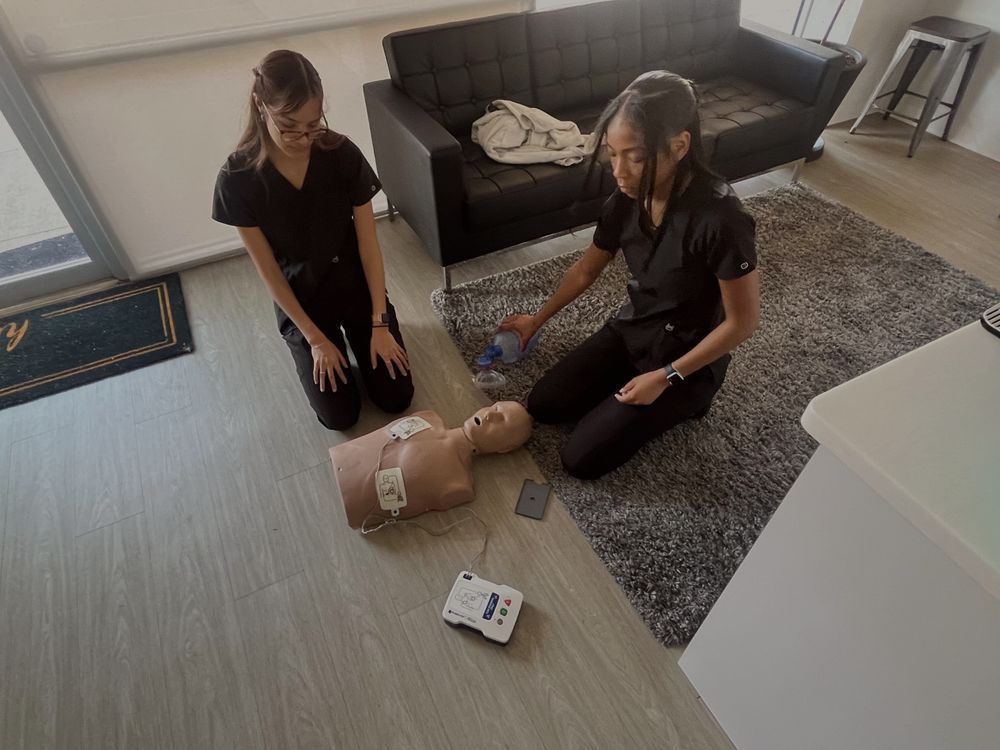
Supportive Training Lays the Foundation for Resilience How a dental assistant is trained plays a big role in how they handle the stress of the job. Programs that combine online learning with hands-on labs give students the technical skills and real-world confidence they need to thrive in fast-moving dental environments.
Dental assistants who enter the workforce feeling well-prepared are less anxious under pressure and more capable of handling the day-to-day responsibilities of the role. Proper training reduces uncertainty, which is one of the biggest contributors to stress in new healthcare professionals.
Is Dental Assisting Low-Stress?
Dental assisting may not be completely stress-free, but it is a manageable, rewarding career when approached with the right mindset and preparation. With strong organizational skills, good communication, and supportive training, dental assistants enjoy meaningful work, stable schedules, and the chance to make a real impact—without being overwhelmed.
Like any healthcare career, it’s important to know what to expect and to take steps to manage stress proactively. For those who are prepared, dental assisting offers purpose, stability, and balance.
Start Your Dental Assisting Career with Confidence
At Arch Dental Assistant School, our 16-week online-first program is designed to prepare you for the real-world demands of dental offices. With intensive, in-person labs, you’ll gain the skills, confidence, and resilience needed to thrive in this dynamic yet balanced career.
Take the first step toward a meaningful and manageable career in dentistry. Learn more about Arch Dental Assistant School today.
You're only a few months from the medical assistant career you deserve.