Top Skills Every Dental Assistant Needs to Succeed
Top Skills Every Dental Assistant Needs to Succeed
Dental assistants play a vital role in dentistry by bridging the gap between chairside care and administrative support. They’re often the first person to greet a patient in the operatory and the last to ensure everything is in order before a visit ends. Because of their dual responsibilities, dental assistants must master a wide range of skills that span both technical procedures and interpersonal communication. Their success depends not just on knowing what to do—but also how to do it with care, precision, and professionalism.
Whether you’re considering a career as a dental assistant or already enrolled in a training program, understanding the top skills required for success can help you focus your learning and prepare for real-world responsibilities. From clinical knowledge to patient interaction, here are nine essential skills every dental assistant needs to thrive in today’s dental practices.
-
Clinical Competence Dental assistants must be comfortable with core chairside procedures, such as taking x-rays, preparing instruments, assisting during fillings or extractions, and sterilizing tools. These tasks demand both technical accuracy and knowledge of dental terminology, anatomy, and infection control protocols. Mistakes in clinical care can compromise patient safety, so proficiency is non-negotiable.
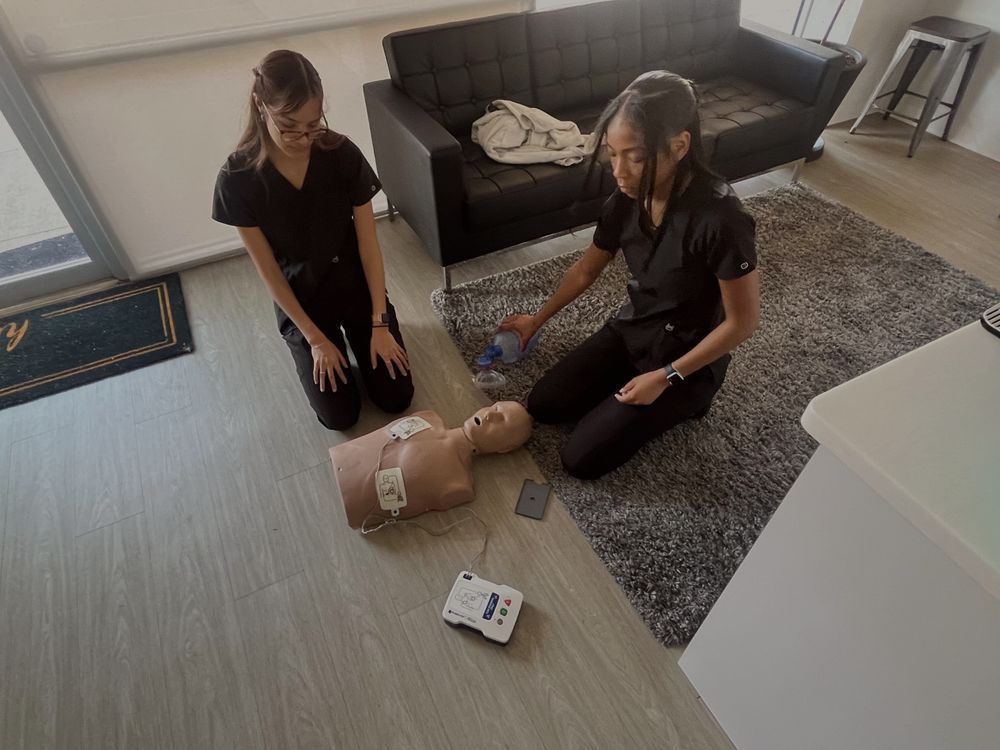
Additionally, dental assistants need to be familiar with equipment such as curing lights, suction devices, and digital imaging tools. These skills aren’t just learned in a textbook—they’re developed through hands-on labs and externships that simulate real dental office experiences.
-
Administrative Efficiency While most people associate dental assistants with chairside tasks, administrative duties are equally important. From scheduling appointments and updating patient records to handling billing and insurance, dental assistants keep the office organized and running smoothly.
They must be proficient with dental practice management software, maintain confidentiality, and pay close attention to detail. Administrative responsibilities directly impact patient satisfaction, office workflow, and financial health—making efficiency and organization critical skills.
-
Communication Skills Strong communication is at the heart of excellent patient care. Dental assistants interact with patients, dentists, hygienists, and office staff all day. Whether they’re explaining procedures, gathering health histories, or clarifying aftercare instructions, clear and compassionate communication is essential.
Written communication matters too, from accurate recordkeeping to documenting treatment notes. Listening carefully is just as important as speaking—patients who feel heard are more likely to follow care instructions and trust the dental team.
-
Empathy and Compassion Dental visits can cause stress or anxiety for patients. A dental assistant who demonstrates empathy and compassion can ease those feelings, making patients feel safe and cared for. Kindness, patience, and reassurance go a long way in improving a patient’s experience.
Empathy is especially valuable when working with children, elderly patients, or those undergoing complex treatments. Being emotionally present and supportive creates trust and helps patients view dental visits in a more positive light.
-
Attention to Detail In dentistry, small errors can create big problems. Whether it’s mislabeling an x-ray, skipping a sterilization step, or entering incorrect information into a chart, details matter. Dental assistants must double-check their work and maintain accuracy at every stage of patient care.
This precision applies to everything from mixing materials for a crown to recording treatment notes. Attention to detail also ensures compliance with safety standards, reducing risks for both patients and staff.
-
Adaptability Every day in a dental office is different. One morning may involve routine cleanings, while the afternoon could include urgent cases or surgical procedures. Dental assistants must be flexible and able to adapt quickly to changing situations without losing focus.
Adaptability also means staying current with new dental technologies, techniques, and office systems. Those who embrace change are better prepared to grow in their roles and support both patients and providers effectively.
-
Teamwork and Collaboration Dentistry is a team effort, and dental assistants are central to that team. They work closely with dentists, hygienists, and administrative staff to deliver coordinated, efficient care. Being a team player means showing respect, offering support, and maintaining a positive attitude.
Good collaboration requires clear communication, openness to feedback, and shared responsibility for patient outcomes. A dental assistant who contributes to a cooperative team culture helps create a smoother experience for patients and staff alike.
-
Problem-Solving Skills Dental assistants often face unexpected challenges—equipment may malfunction, a patient might feel faint during a procedure, or scheduling conflicts could arise. Strong problem-solving skills help them handle these situations calmly and efficiently.
This skillset includes critical thinking, prioritization, and making sound decisions under pressure. For example, if a patient shows signs of distress during treatment, the assistant must act quickly to support both the patient and the dentist.
-
Commitment to Patient Safety and Compliance Every dental assistant has a responsibility to uphold patient safety. This includes following sterilization protocols, managing biohazards correctly, and maintaining infection control standards. Compliance with regulations and guidelines ensures both safety and professionalism.
Commitment to safety also builds trust with patients. By consistently practicing safe procedures and protecting confidentiality, dental assistants contribute to a reliable and high-quality care environment.
Find Your Future in Dentistry Today
Dental assisting is a rewarding, people-focused career that requires a diverse set of skills. From mastering chairside procedures and office systems to showing empathy and adaptability, dental assistants must be ready to juggle many responsibilities while keeping the patient at the center of everything they do. These nine essential skills don’t just lead to job success—they create healthier practices, better patient outcomes, and stronger professional confidence.
If you’re ready to start building these skills and launch your dental career, consider enrolling at Arch Dental Assistant School. Our online-first, 16-week dental assistant program is designed to fit your life, with intensive, in-person labs that give you the confidence to help real patients receive real care. It’s the fast, focused, and flexible path to becoming a skilled dental assistant.
You're only a few months from the medical assistant career you deserve.