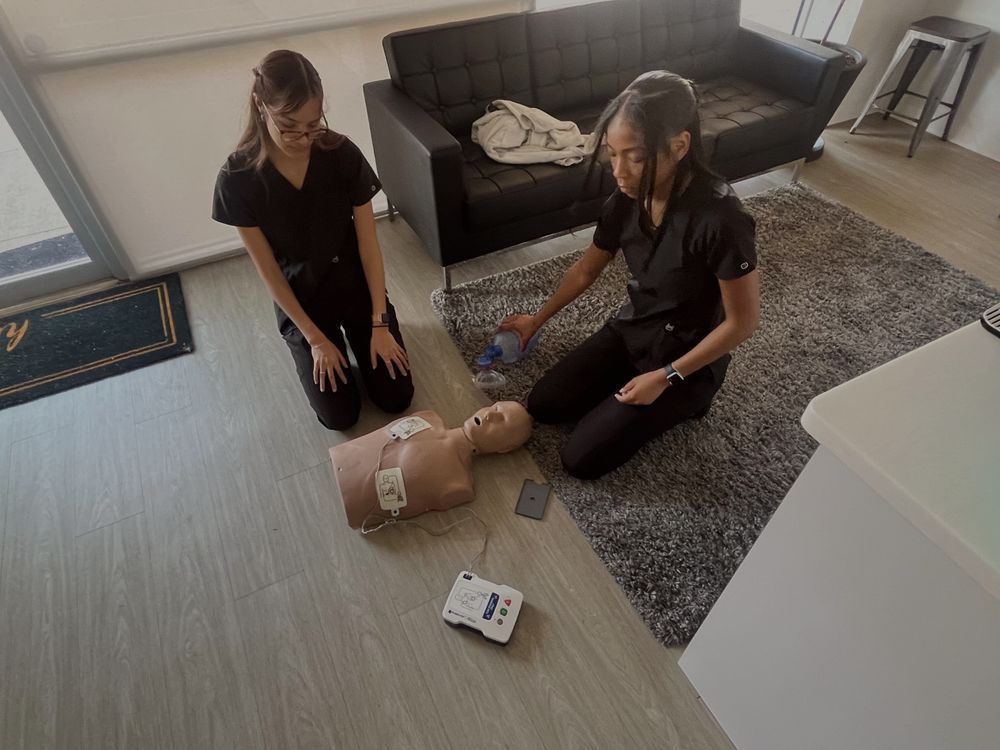
What Do Dental Assistants Do? A Look at Their Daily Responsibilities
What Do Dental Assistants Do? A Look at Their Daily Responsibilities
In today’s dental field, dental assistants play a critical role in ensuring smooth and efficient patient care. From managing front office operations to directly assisting dentists chairside, they serve as the bridge between clinical and administrative functions. Their work supports dentists, reassures patients, and helps keep dental practices running at their best.
But what does a dental assistant actually do on a typical day? Their responsibilities vary depending on the setting and specialty, but they generally include a mix of clinical and administrative tasks. In this blog, we’ll break down seven key responsibilities of a dental assistant, helping you understand the full scope of their work and the skills required to succeed in this growing career.
- Preparing Patients and Taking X-Rays One of the first tasks a dental assistant performs when a patient enters the operatory is helping them get comfortable and preparing them for treatment. They may take dental x-rays, impressions, or digital scans as directed by the dentist. These images provide essential diagnostic information that shapes the rest of the visit.
Dental assistants also explain procedures, answer initial questions, and help reduce patient anxiety—ensuring a calm, supportive environment from the start.
-
Updating and Managing Patient Records Accurate documentation is essential in dentistry. Dental assistants are responsible for updating patient records with information gathered during appointments. This may include recording medical histories, treatment notes, x-rays, or progress updates.
With most offices using digital record systems, assistants must be detail-oriented and comfortable with technology. Mistakes or omissions can impact both patient care and office efficiency, so accuracy and confidentiality are key.
-
Assisting with Examinations and Procedures Dental assistants provide vital chairside support during exams and procedures. They may hand instruments to the dentist, manage suction devices, prepare materials, or help keep the patient comfortable throughout treatment.
This role requires attentiveness, quick thinking, and an understanding of dental procedures. By anticipating what the dentist needs, assistants help treatments run smoothly, efficiently, and safely.
-
Sterilizing Instruments and Maintaining Infection Control Infection control is one of the most important responsibilities of a dental assistant. They clean and sterilize instruments, disinfect treatment rooms between patients, and follow strict safety protocols to protect both patients and staff.
By maintaining a sterile and well-stocked environment, dental assistants ensure procedures can be performed without delays while upholding the highest standards of patient safety.
-
Preparing Treatment Rooms and Dental Equipment Before each patient visit, dental assistants prepare the operatory by setting up instruments, stocking supplies, and ensuring all equipment is functioning properly. After appointments, they reset the room to be ready for the next patient.
This behind-the-scenes work keeps the practice efficient, allowing dentists and hygienists to focus on care while patients enjoy shorter wait times.
-
Scheduling Appointments and Supporting Front Office Tasks Many dental assistants also handle administrative duties at the front desk, especially in smaller practices. They may greet patients, schedule appointments, verify insurance, and assist with billing or payments.
Balancing clinical and administrative work requires organization and strong communication skills. Dental assistants are often the first impression patients have of the office, making professionalism and friendliness key.
-
Educating Patients on Oral Care and Aftercare Dental assistants often play an important role in patient education. After a procedure, they may explain aftercare instructions, review oral hygiene practices, or demonstrate how to use devices like retainers or whitening trays.
This guidance helps patients feel confident about their care and encourages good oral health habits between visits. Clear communication and empathy are essential for building trust and improving long-term outcomes.
Dental Assistants Make Dentistry Work
Dental assistants wear many hats—and wear them well. They prepare patients, take x-rays, manage records, assist chairside, sterilize instruments, prepare treatment rooms, handle administrative duties, and educate patients. Their work is essential to the patient experience and to the efficiency of dental practices everywhere.
If you’re interested in stepping into a meaningful dental career with a wide variety of responsibilities, becoming a dental assistant could be the perfect fit. And there’s no better place to begin than Arch Dental Assistant School.
Arch Dental Assistant School is an online-first, 16-week dental assistant program that combines flexible learning with intensive, in-person labs. You’ll build the knowledge, confidence, and hands-on skills needed to help real patients receive real care. Get started today and launch your career in one of the most rewarding roles in healthcare.
You're only a few months from the medical assistant career you deserve.