what do you learn in dental assistant school
What Do You Learn in Dental Assistant School?
When you’re considering dental assistant training, one of the most important questions is: what will I actually learn? The curriculum of a dental assistant program matters just as much as cost and duration—it determines your readiness for real clinical work.
In this article, we’ll break down exactly what students learn in dental assistant school, show how that training is delivered, and explain why this curriculum can set you apart in job searches.
Why Curriculum Matters in Dental Assistant Training
Before we dive into specifics, it’s helpful to understand why curriculum design is critical. A well-designed dental assistant program:
Covers the core clinical and administrative skills dentists expect
Integrates hands-on training so students don’t graduate “theoretical only”
Prepares for certification or state requirements (e.g. radiography, infection control)
Builds confidence so new assistants can adapt to real dental teams
About Arch Dental Assistant School Program Structure
On a 10-week, low-cost, hands-on training online-first model, with these characteristics:
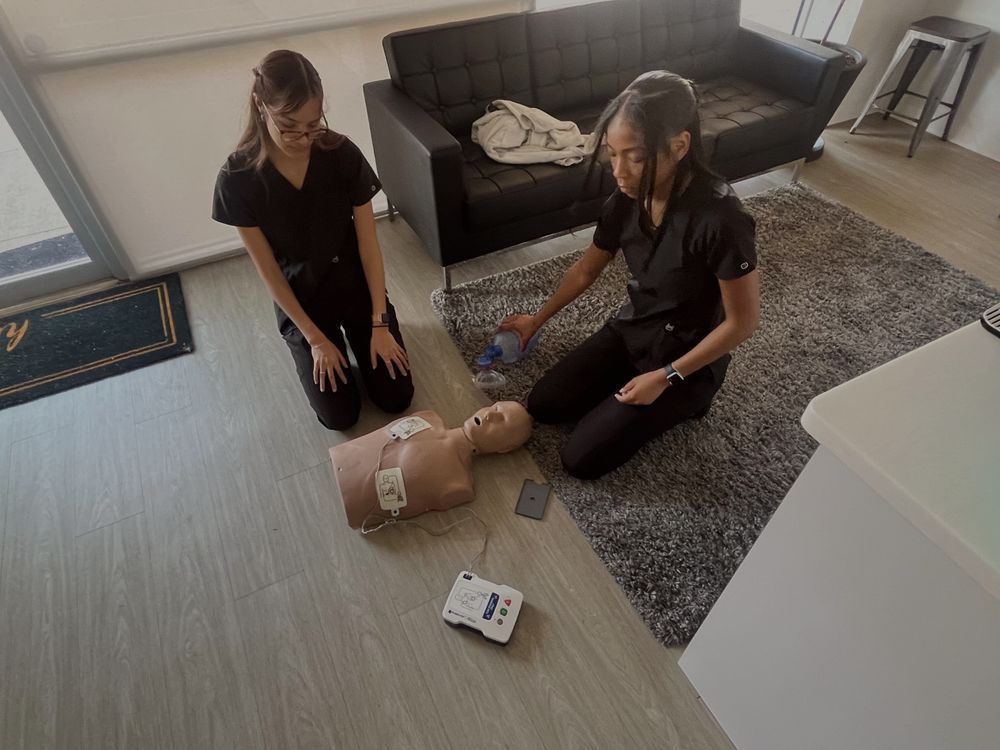
Students engage in online lectures/homework plus in-person practice and lab work.
A 40-hour externship embedded in the program gives real-world field experience, often under direct guidance from dental professionals.
2 weekends to immersive, hands-on training, before the externship.
Thus, the curriculum is a blended design: foundational theory, skill drilling in labs, and real-world application in dental offices.
What You’ll Learn — Core Curriculum
Here’s a breakdown of the major content areas and skills a student can expect to master:
- Infection Control & Sterilization Protocols
Students learn how to maintain surgical rooms, sterilize instruments, handle cross-contamination, and follow OSHA / CDC standards. These basics are essential in any clinical setting.
- Dental Anatomy, Terminology & Pathology
Understanding tooth structure, jaws, tissues, common oral diseases, and the language used in dentistry enables assistants to communicate effectively and anticipate procedure needs.
- Instrument Transfer & Four-Handed Dentistry
One of the more advanced clinical skills: assisting a dentist by anticipating instrument needs, passing tools, and working in tandem as a seamless operative pair.
- Radiography / X-Ray Fundamentals
Students are taught how to take, process, and interpret dental X-rays (bitewings, periapical, etc.), as well as safety precautions.
- Restorative, Crown/Bridge & Composite Procedures
The curriculum includes exposure to composite fillings, temporary crowns, rubber dam setups, pouring impressions, and crown/bridge instrument use.
- Dental Impressions & Diagnostic Models
Students practice taking impressions (alginate), making diagnostic models, and pouring stone models. Skills here support lab work and prosthodontics.
- Digital Charting & Office Software
Modern dental offices use digital record systems. Students learn to navigate charting software, manage patient charts, input data, and maintain record accuracy.
- Patient Management & Communication Skills
Learning how to manage patient anxiety, explain procedures, handle appointments, and educate patients on oral hygiene is core. Ethical, legal, and professional standards also are introduced.
- Emergencies, Anesthesia, & Special Procedures
Classes include instruction on handling dental emergencies, anesthetic protocols (topical/local), periodontal and oral surgery assist techniques, and pediatric dentistry basics.
- Externship Application of Skills
During the externship phase, students assist with real patient cases under oversight. This is where theory and lab skills align with practice. Students may perform tasks under supervision: instrument handling, patient prep, charting, radiography, sterilization, and more.
Why This Curriculum Works
Fast but rigorous: In 10 weeks, the program targets the high-impact skills dentists expect.
Hands-on: Students begin externships by the end of Week 10.
Real clinical exposure: Performing tasks in real offices helps students understand workflow and confidence.
Alignment with state requirements: The radiography instruction ensures compliance with state rules.
That early exposure builds not just competence but comfort in actual settings.
How to Succeed in the Program
To make the most of what you’ll learn:
Stay disciplined in online theory modules
Practice lab techniques repeatedly
Ask questions actively in externship sites
Use study groups to reinforce terminology
Take advantage of instructor review sessions
Because of the compressed timeline, staying consistent matters.
Career Outcomes & Skill Application
Upon graduation, students are prepared to perform in general dentistry, pediatric, orthodontic, and specialty practices. Employable skills include:
Chairside assisting in various procedures
Radiation positioning and imaging
Taking impressions and pouring models
Charting and record management
Managing sterilization and infection control
Graduates often land interviews through the school’s career services and externship connections. Plus, they have proof of hands-on experience.
FAQs — What Do You Learn in Arch Dental Assistant School?
Q: Is the curriculum comparable to longer programs? A: Yes. Though accelerated, the program focuses exclusively on the core skills employers demand. The hands-on and externship portions reinforce retention.
Q: How much of the program is hands-on vs lecture? A: The model is hybrid with an online focus: 4 lab days (9 hrs/day), over 2 weekends in Weeks 4 & 8, online instruction 2 hrs/week x 10 weeks (live, instructor-led).
Q: When do externships begin? A: Externship opportunities start at the end of Week 10.
Q: Can I adjust learning pace if I struggle with a topic? A: The instructor team offers review sessions and additional lab time. Also, advisors help students find supplemental resources.
You're only a few months from the medical assistant career you deserve.